Creative Director · Designer · Open to roles and projects
Brand work forcompanies withsomething hardto explain.
Fifteen years on the hard end of technical marketing, mostly life sciences and biotech, where the subject resists being explained and the audience has a scientist and a CFO sitting in it at the same time. I run departments and I still do the work myself. Art direction, copy, design systems, code, motion, illustration.
The list got long the way most lists do. Every skill on it got added because a brand needed something and nobody else was going to do it.
DisciplinesBrand systems · Campaigns · Editorial & layout · Information design · Photography & art direction · Scientific illustration · Motion · Web
ToolsAdobe Creative Suite (Ps, Ai, Id, Xd) · After Effects · Premiere · Figma · HTML/CSS/Javascript · Workfront · Claude · Claude Design · Nano Banana · Firefly · Email Development
I'm a creative leader and a hands-on designer, and I've never wanted to give up either half.
Fifteen years of it, mostly in life sciences, building brands and running departments and doing the work myself.
Most weeks I'm directing a team in the morning and designing a spread in the afternoon.
Strategy, concept, copy, design, execution. I'm inside all of it, because that's where the decisions that matter get made, and because a team learns to make those decisions by watching somebody make them. It also keeps my judgment honest. I can still do most of what I'm asking people to do, which means I can tell the difference between work that's genuinely hard and work that's just slow.
I'm a good collaborator and a better advocate. A lot of the job has been selling ambitious work to people who walked into the room ready to say no, and building enough trust with product and sales and marketing that the work survives contact with them. Almost nothing dies at the concept stage. Things die around the fourth round of feedback, when everybody's tired and nobody left in the room remembers what the piece was supposed to accomplish. Keeping that from happening is most of what creative direction actually is.
What separates strong creative from forgettable creative right now is what it always was. A point of view, some originality, craft that catches people off guard. AI amplifies that when there's something human underneath it and flattens it when there isn't. Everybody has the same tools now, so the tools stopped being an advantage roughly ten minutes after they showed up. Most of what they generate is mediocre, which is fine, because generating things was never the hard part. The hard part is knowing which of the twenty options is worth pursuing, and that comes out of years of shipping work that didn't land and working out why. What the tools do ask for is range. Art, messaging, code, motion, video, and enough industry knowledge to catch an output that's confidently wrong. I've built across all of it, and I bring other creatives through the shift without leaving them to work it out alone at eleven at night.
Currently building → A brand data layer that does what the brand guide PDF was supposed to do, except a designer or an AI tool can query it directly and every change to the brand is versioned like code. Two knowledge bases distilled from a shelf of marketing and design books, running on a pipeline I wrote and then packaged so other people can use it. Governance rules and prompt patterns that keep a team's AI use consistent instead of letting it turn into forty private workflows. Open to creative director, associate creative director, and senior design roles, in-house or agency, and to project work.
“Top 5% of all designers I’ve ever worked with.”
"He served as a de facto creative director in every way even though he hadn't yet been given that title."
David DeSmith · Creative Director · 35 years in creative leadership
Read the full letter →
Work
Six projects, and the problem underneath each one.
01: Information Design · Pharma
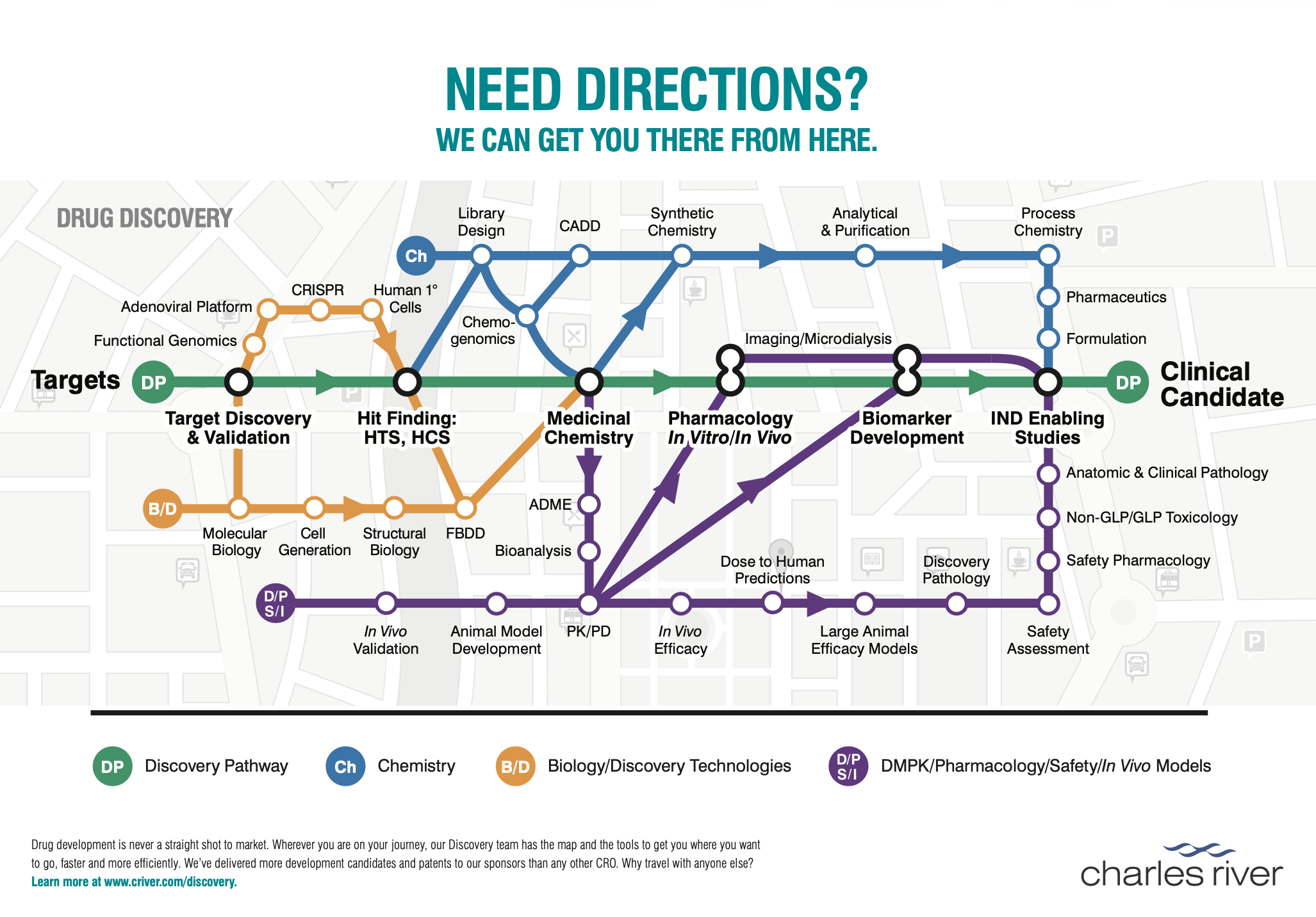
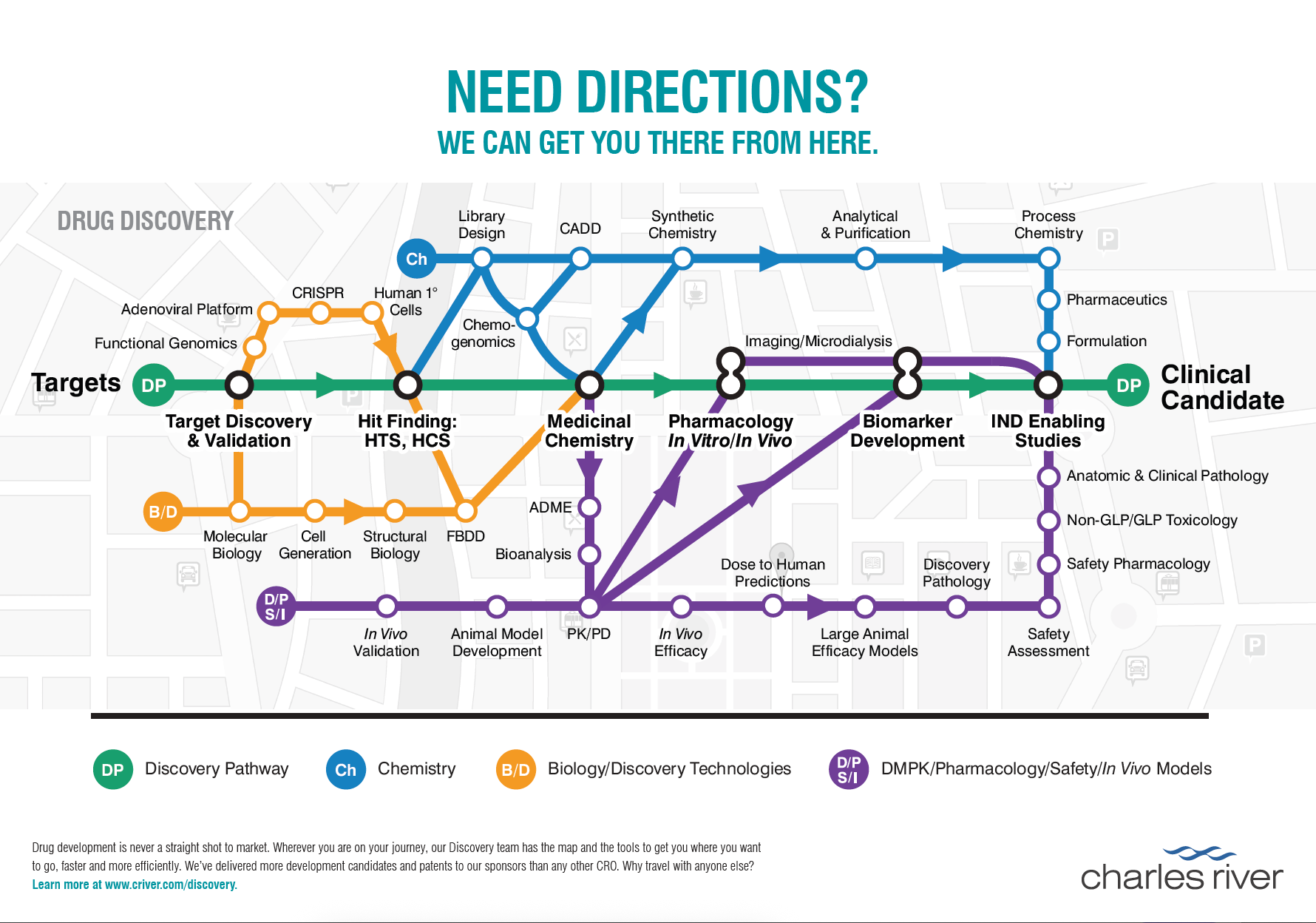
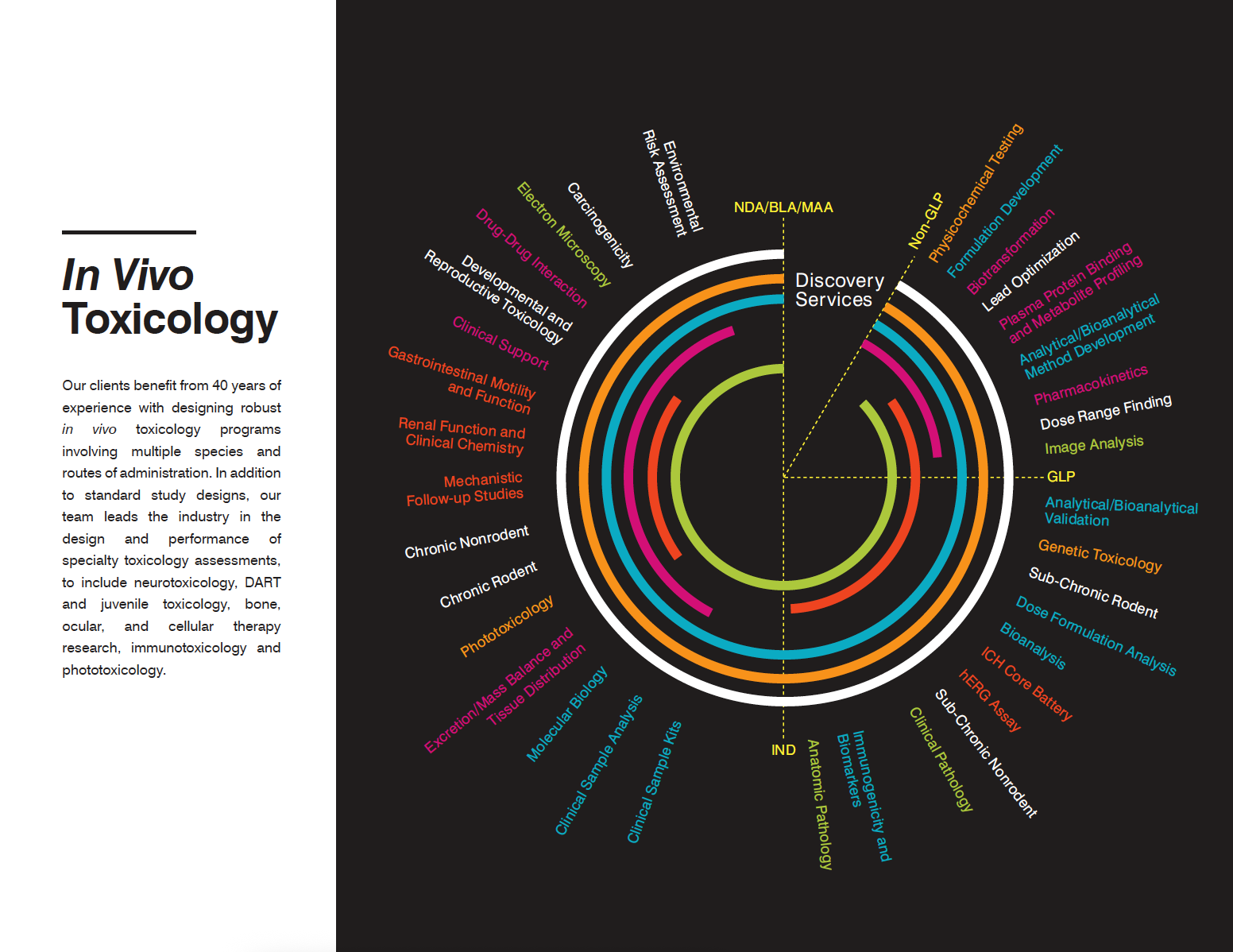
The drug discovery subway map.
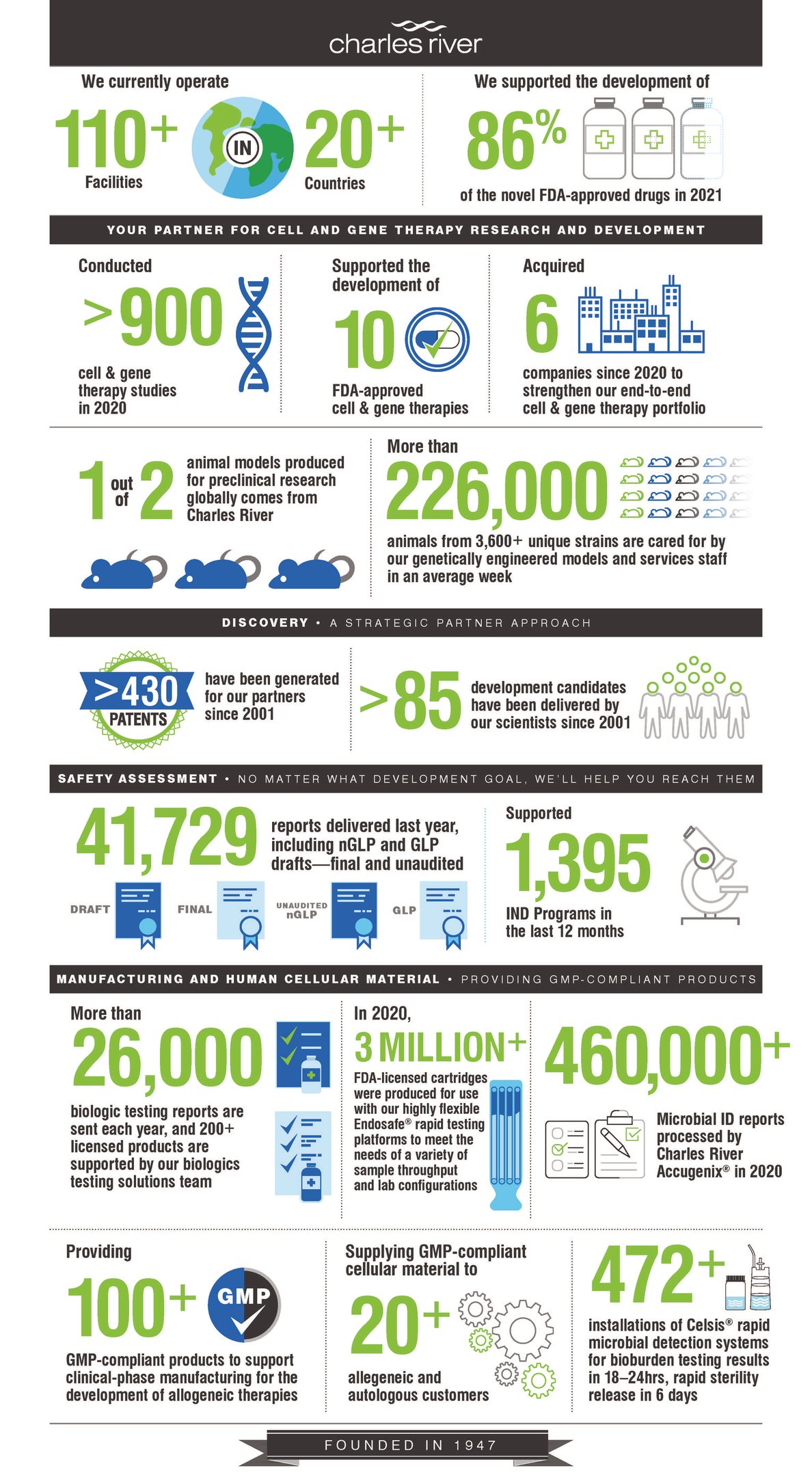
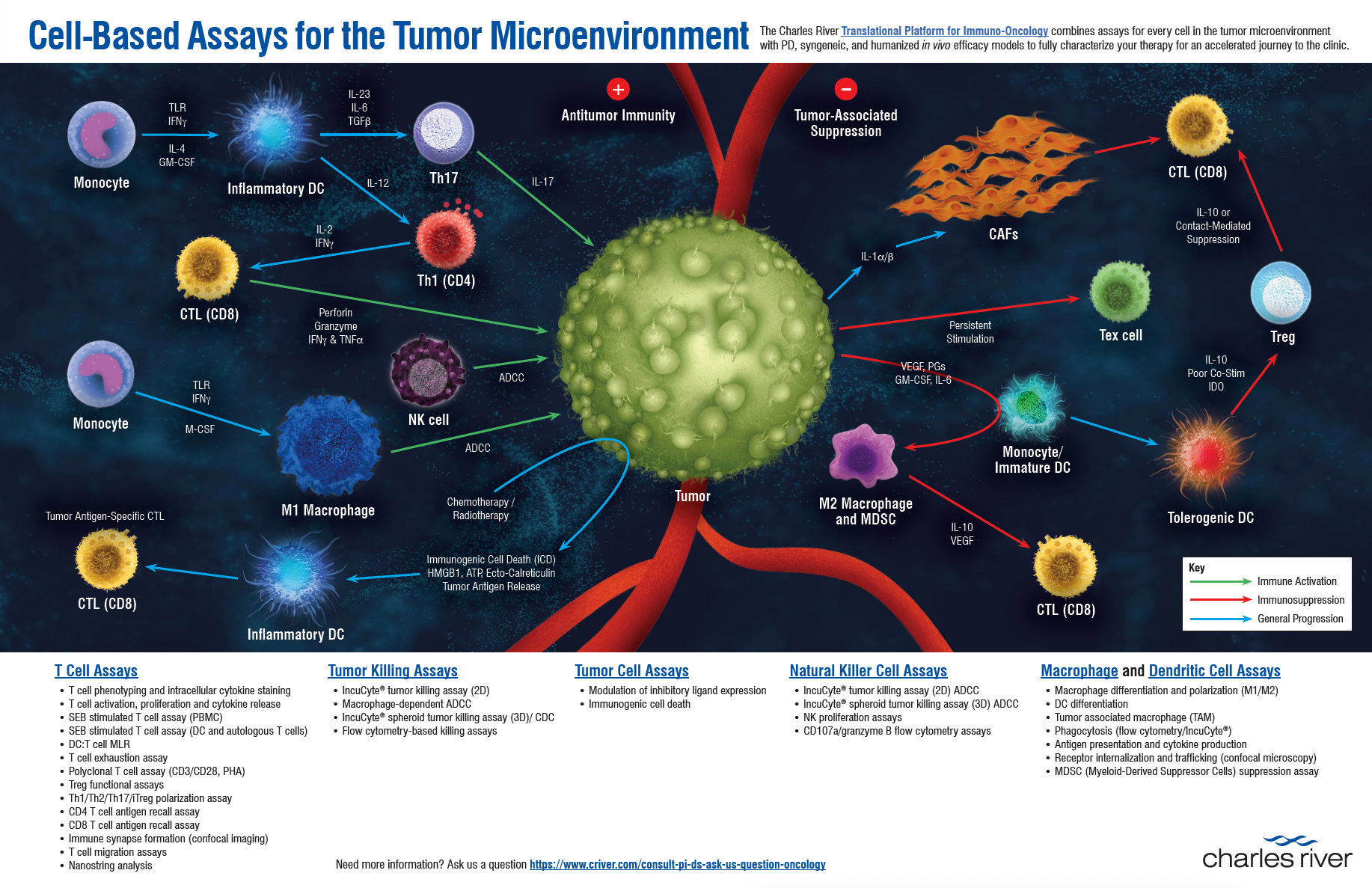
The entire drug discovery and development pipeline as one navigable map. Readable in thirty seconds. Studyable for thirty minutes. Adopted by sales as their lead-with explainer, referenced internally for years after launch.
Challenge
Drug discovery is one of the densest stories in science, decades-long timelines and dozens of overlapping disciplines. Marketing was running two parallel sets of collateral, one for scientists, one for executives, and neither was landing.
Approach
I listened before I designed. Sat with scientists and account managers, mapped the language they used at the whiteboard, watched which lines they drew first and which connections tripped people up. The subway metaphor came out of one of those conversations. Somebody described a handoff between two groups as a transfer, and the whole thing reorganized itself around parallel lines, transfers, and stations where work changes hands.
Solution
A layered map system: one canonical view of the full network, zoomable detail layers per service area, validated station by station with subject matter experts. Built as a design system with documented color logic, typography, and iconography, not a one-off illustration. Extended into brochures, conference banners, sales decks, and web modules.
Result
Sales adopted it as their default explainer. Customers asked for copies. It outlived the campaign that launched it by several years, and it's still the thing people bring up when they bring me up.
02: Team Leadership · Process & Ops · Pharma
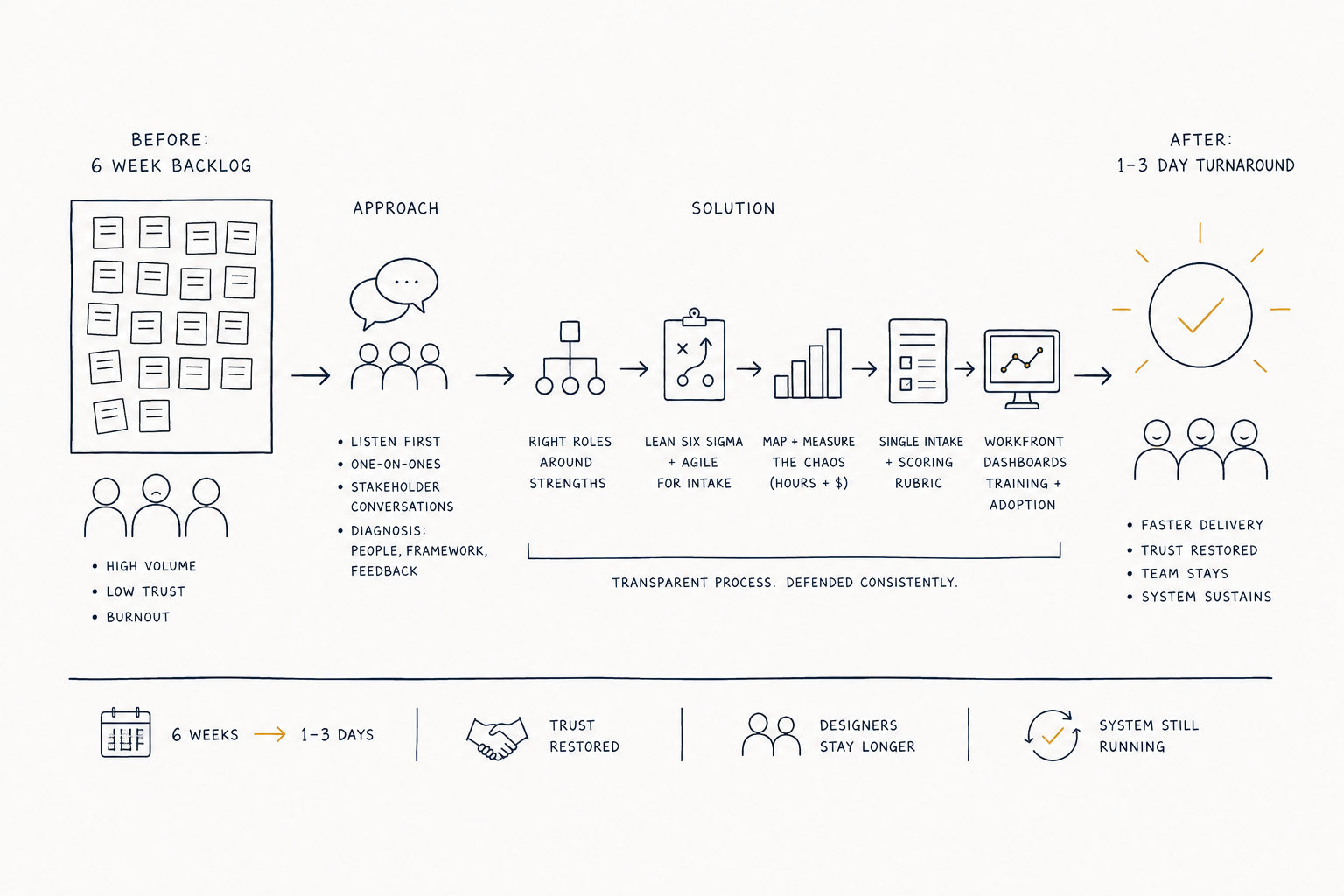
From a six-week backlog to a three-day turnaround.
Inherited a stalled creative department and rebuilt it from the people up, not the process down.
Challenge
The team had become a request-processing machine, with time to get work out the door and no time to ask whether it was any good. Stakeholders had stopped trusting delivery, which produced more aggressive briefs, which produced more burnout, which slowed delivery further. Everyone was working hard and losing ground anyway.
Approach
Thirty days of listening before I changed anything. One-on-ones with every designer, writer, and editor. Conversations with the partners who depended on us. The diagnosis came out of those conversations, not a leadership offsite. The team lacked agency, a framework, and feedback it could trust, not talent.
Solution
Restructured roles around what people actually did best. Brought Lean Six Sigma and Agile training to the intake problem specifically, mapped the full request lifecycle from origin to delivery, and quantified the cost of the chaos in hours and dollars, then took it to leadership as a business case, not a creative one. Built a single intake form, a transparent scoring rubric, and Workfront as the system of record with dashboards leadership could read at a glance. Trained every requester and every designer in the new flow, and defended it the first dozen times someone tried to route around it.
Result
Turnaround went from six weeks to one to three days on most projects. Stakeholder trust came back, designers stayed longer, and the system is still running at a company I no longer work for.
03: Brand System · Visual Identity · Biotech
A brand system designed to make every job easier.
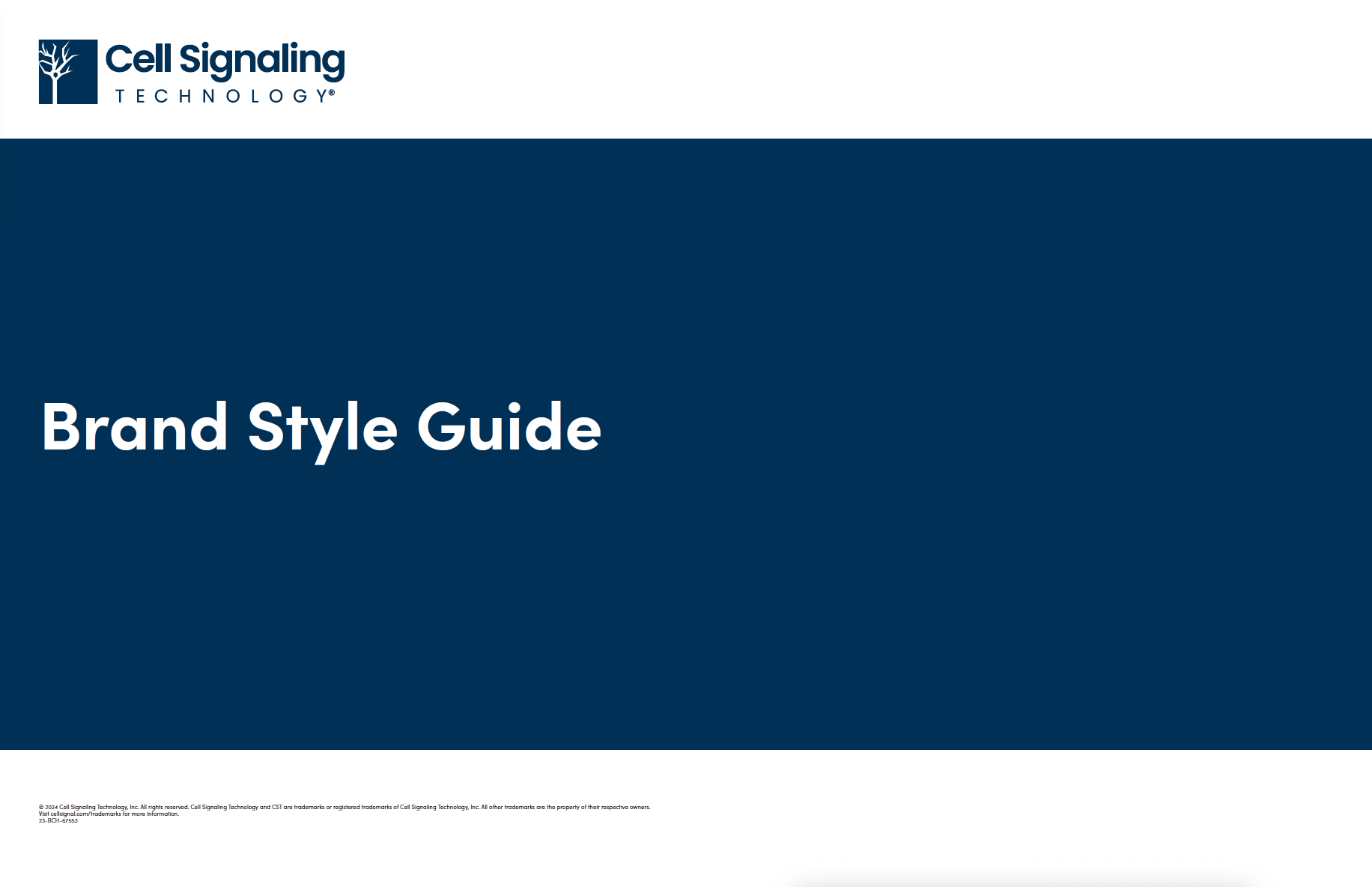
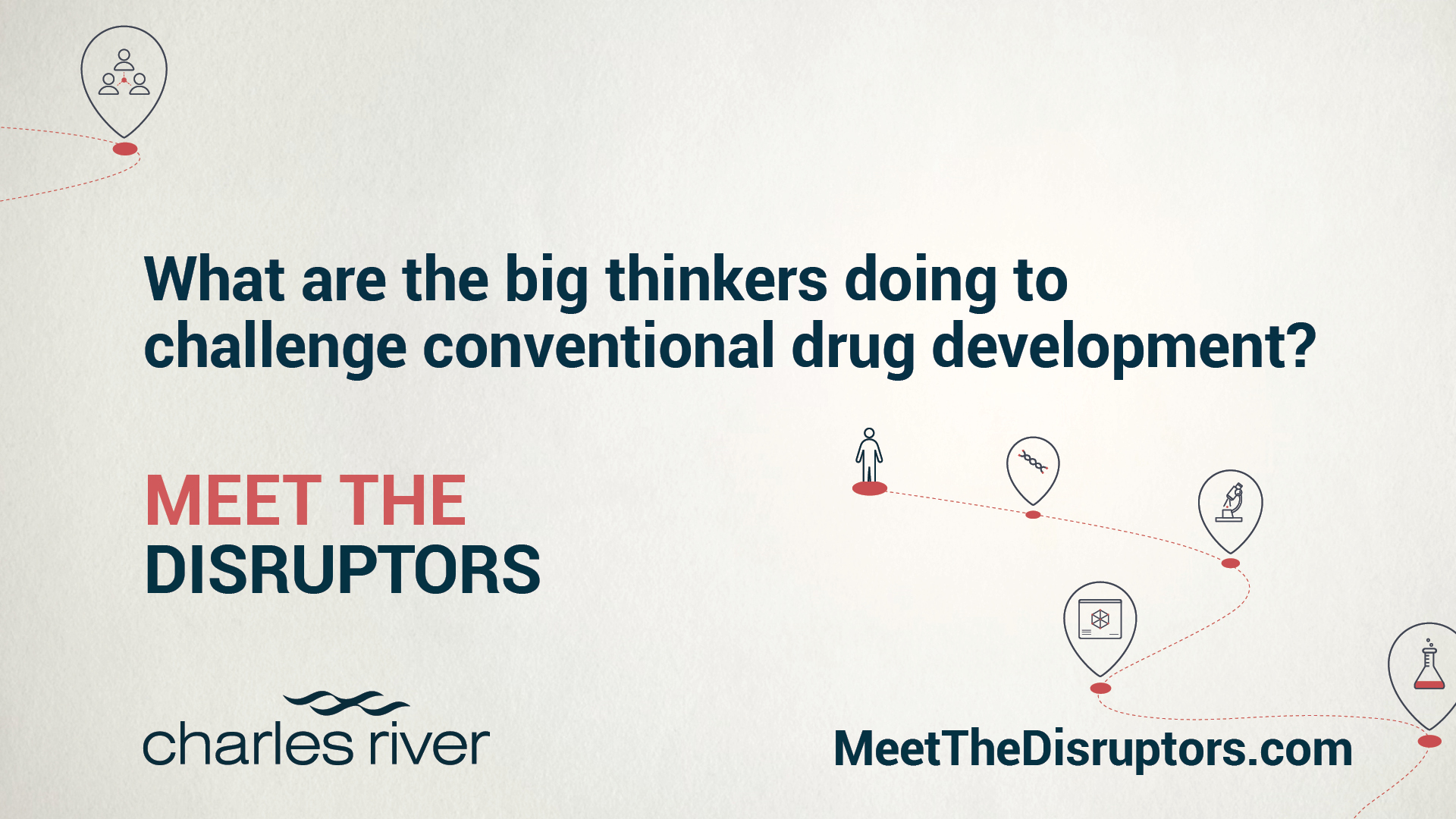
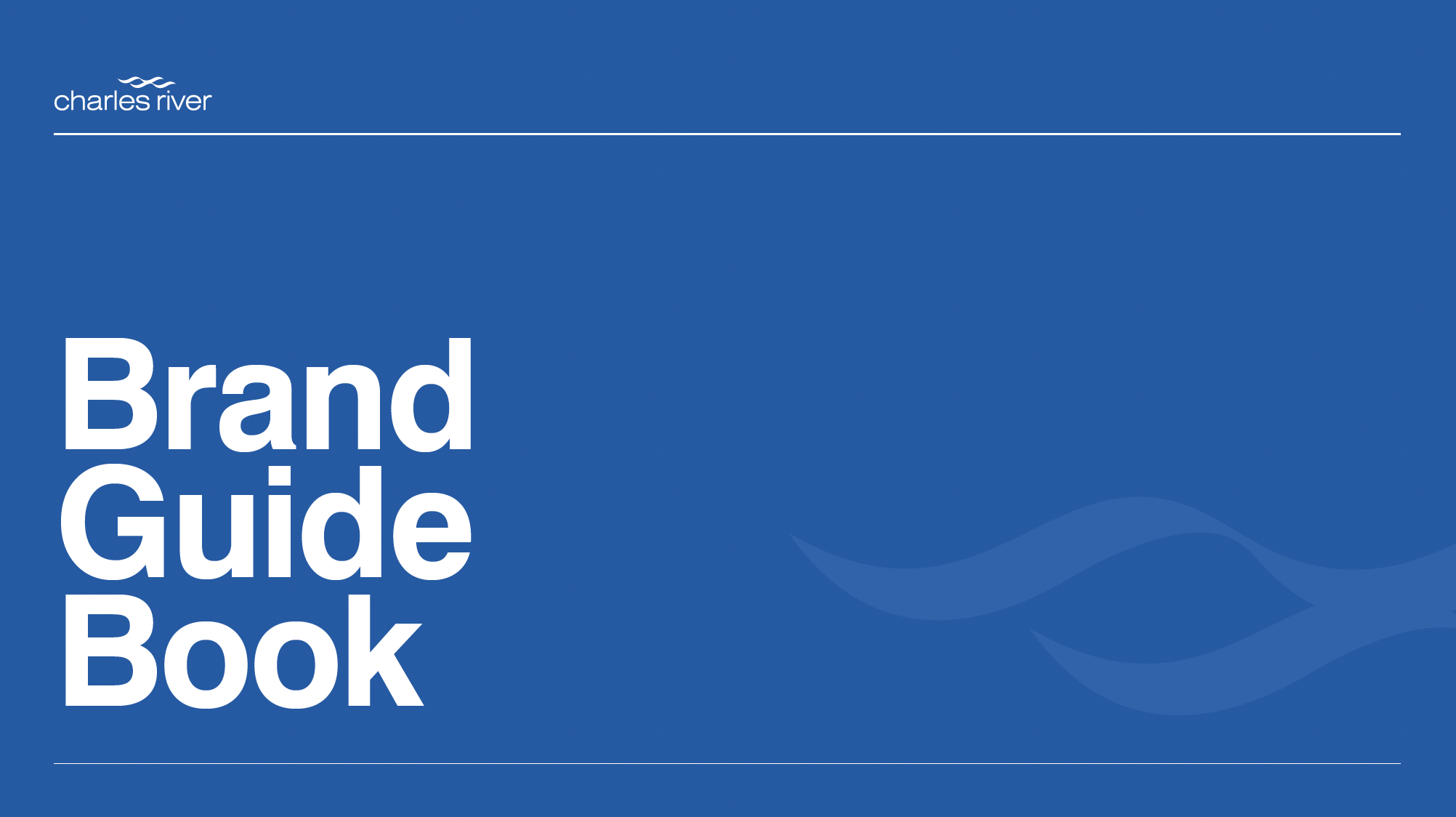
A life-sciences visual identity rebuilt from the ground up, and restored consistency across seven businesses and four operational groups.
Challenge
Years of well-intentioned exceptions had left a toolkit nobody fully trusted and everybody quietly worked around. Every business unit had drifted into its own sub-brand. Designers spent more time explaining rules than designing inside them. Customers received materials that looked like they came from different companies.
Approach
I treated it as a service-design problem before a visual one. Who uses this system, what are they actually trying to do, where does it get in their way right now. Audited every asset shipped in the previous twelve months, then talked to the people producing and receiving them, marketing managers, copywriters, sales reps, customers.
Solution
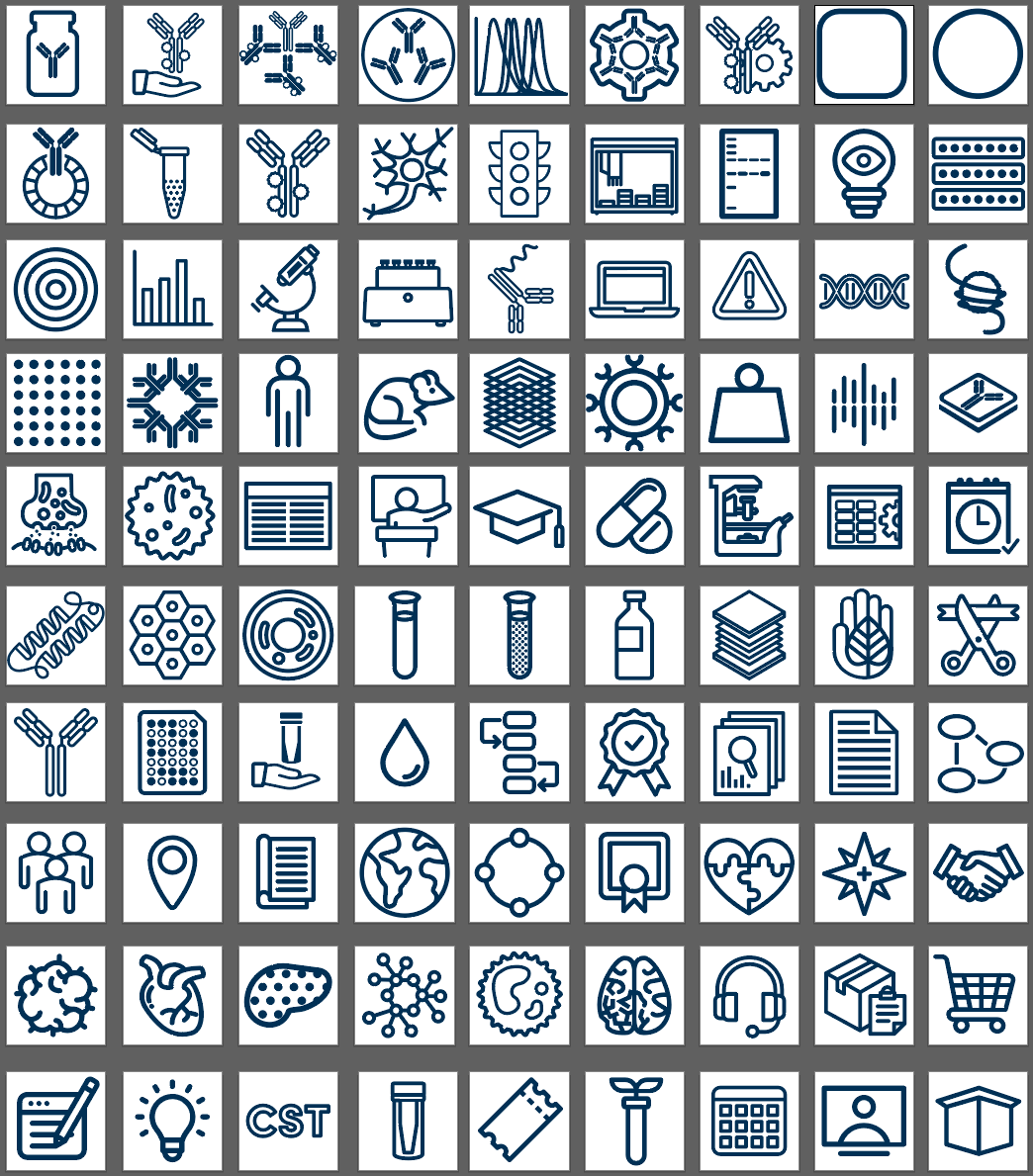
A modular system built to lighten every downstream job: a refined identity, a component library with templates that flex for real content instead of breaking on it, a scientific iconography set solving the most common visualization problems before anyone had to ask, a photo direction guide, and a voice and tone framework copywriters could use without a designer in the room. Rolled out with hands-on training in the room, which is the only version of a rollout anyone remembers. Built feedback loops so the system kept evolving with real use.
Result
Seven business units back on one system across four operational groups. Designers stopped spending their time explaining the rules and started designing inside them, and customers stopped receiving materials that looked like they came from four different companies.
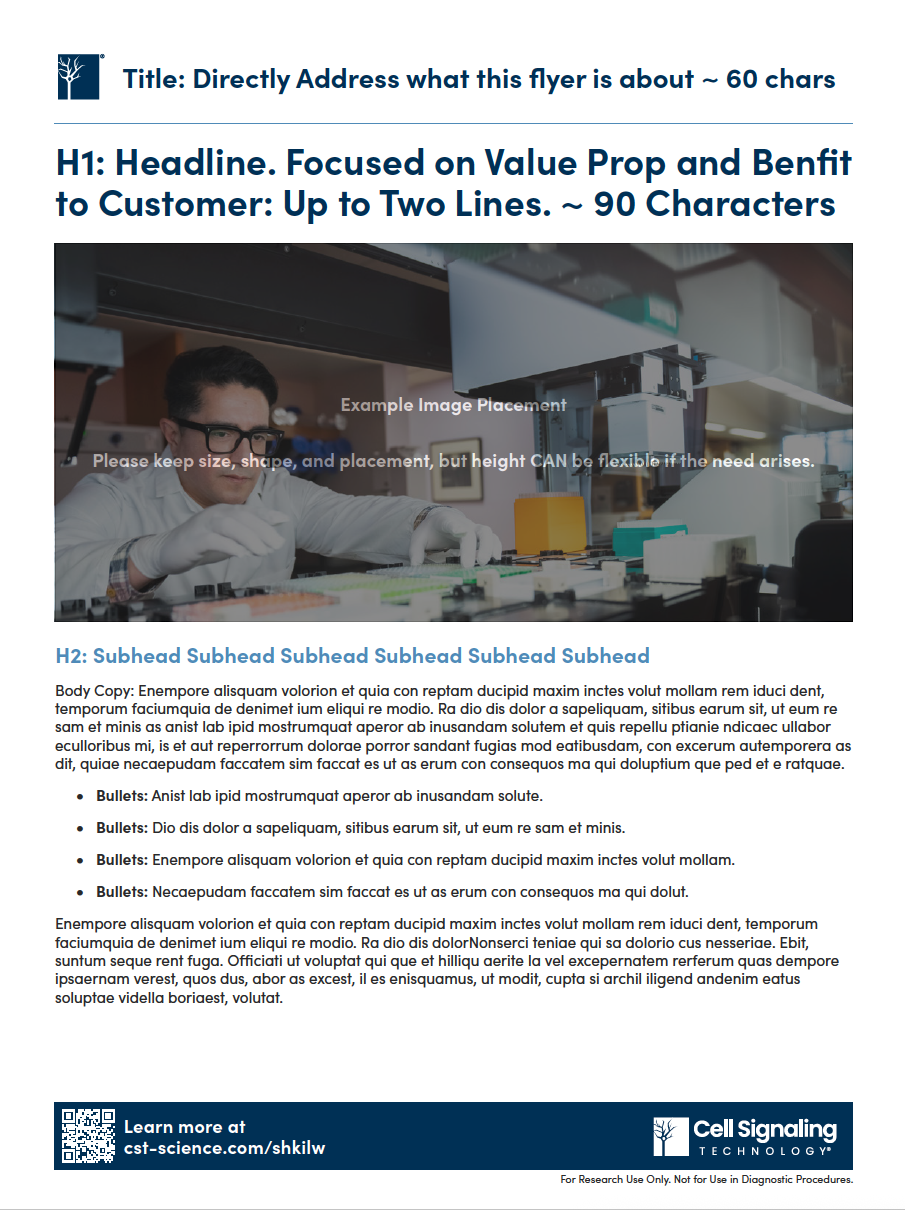
04: Campaign · Multichannel · Editorial Design
One brochure spread, funding a full quarter of downstream marketing.
Marketing wanted a flagship brochure. Sales wanted social cutdowns. Web wanted banners. The budget covered one of those things. The deadline covered all of them.
Challenge
Every past attempt at "multichannel" had produced strong original work for the flagship piece and visibly weaker derivatives for everything built from it.
Approach
Designed the brochure as a system from day one, not an artifact to cut up later. The real question wasn't what the brochure should look like. It was what's the smallest set of design moves that can serve every downstream tactic without losing the thread.
Solution
A modular grid where every spread was already a template. Hero spreads converted straight to LinkedIn carousels with a specified crop. Statistic spreads became email modules. Photo spreads became web banners with predefined safe zones. One-page derivatives playbook so the team could produce cutdowns without me in the room.
Result
One asset funded dozens of downstream pieces. The campaign ran two quarters past its original window because the system kept producing usable work long after the launch sprint ended.
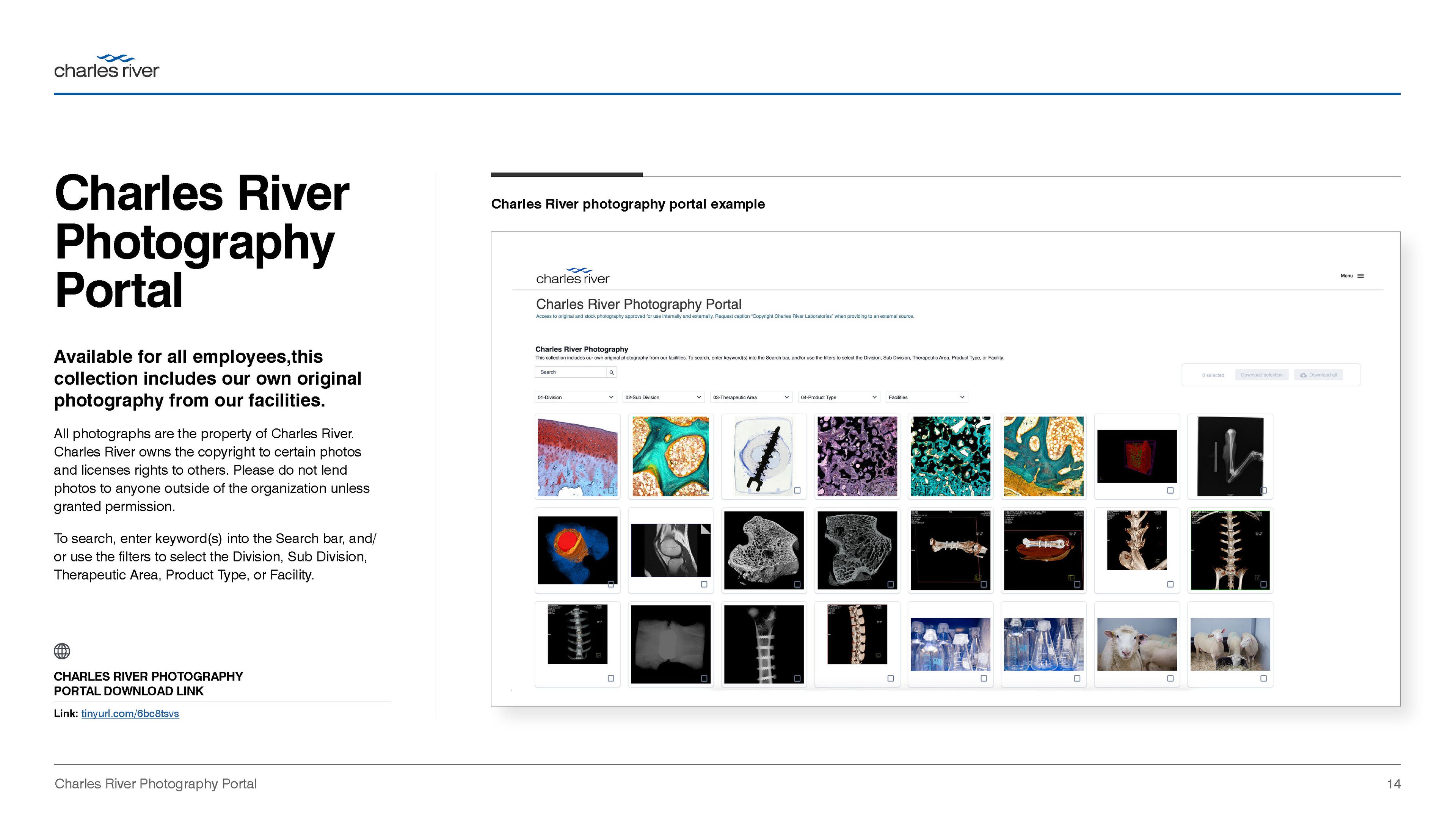
05: Photography · Illustration · Art Direction
Imagery worth a second look, in a category that rarely gets one.
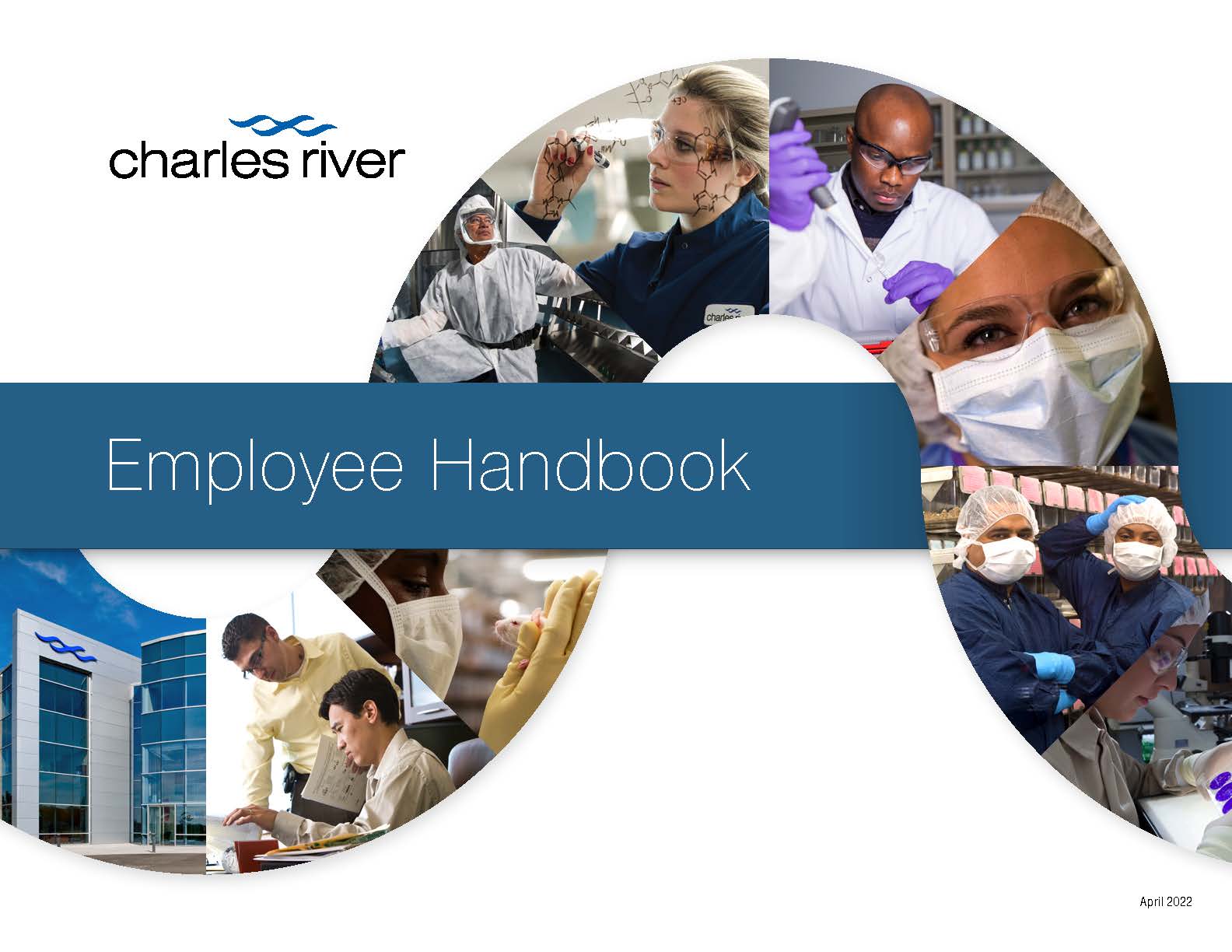
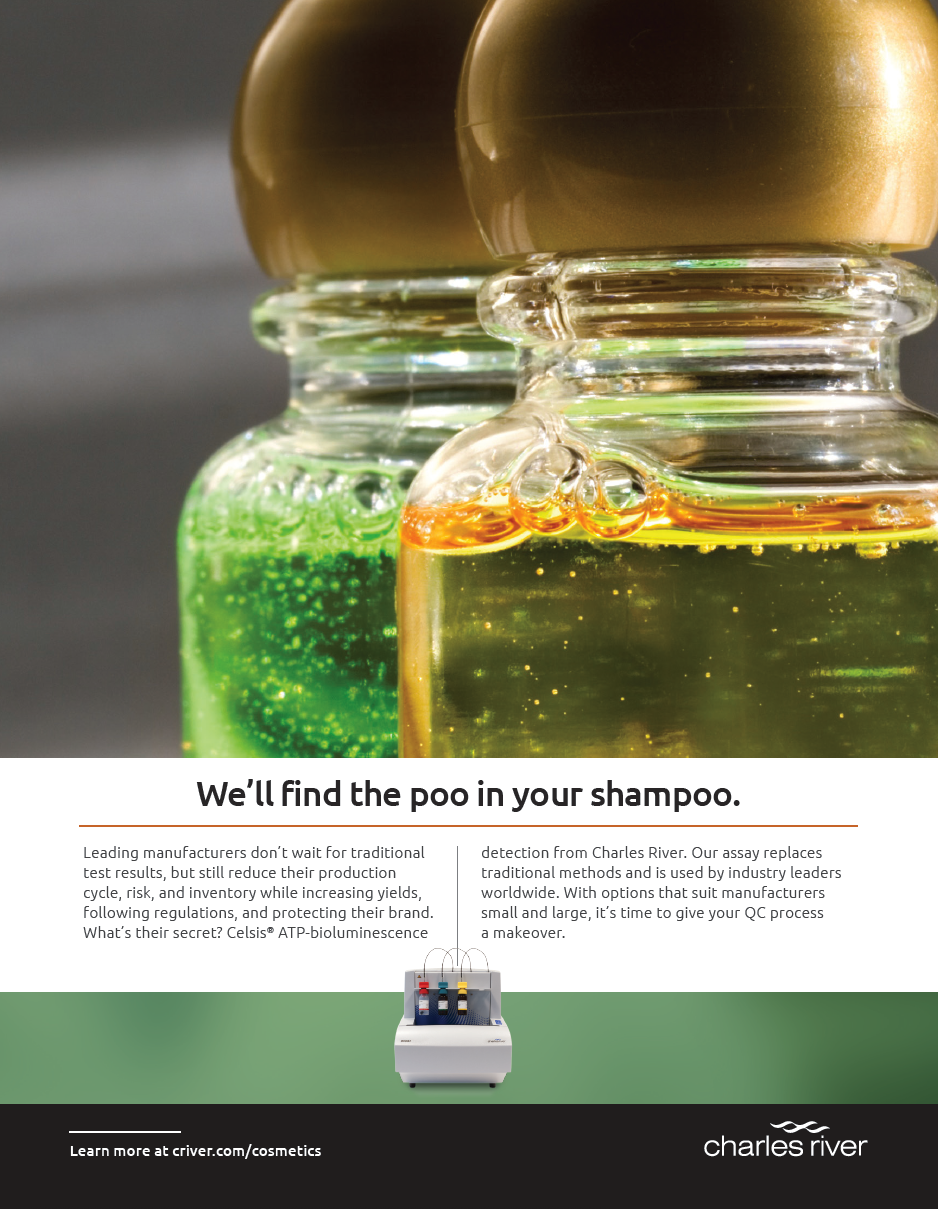
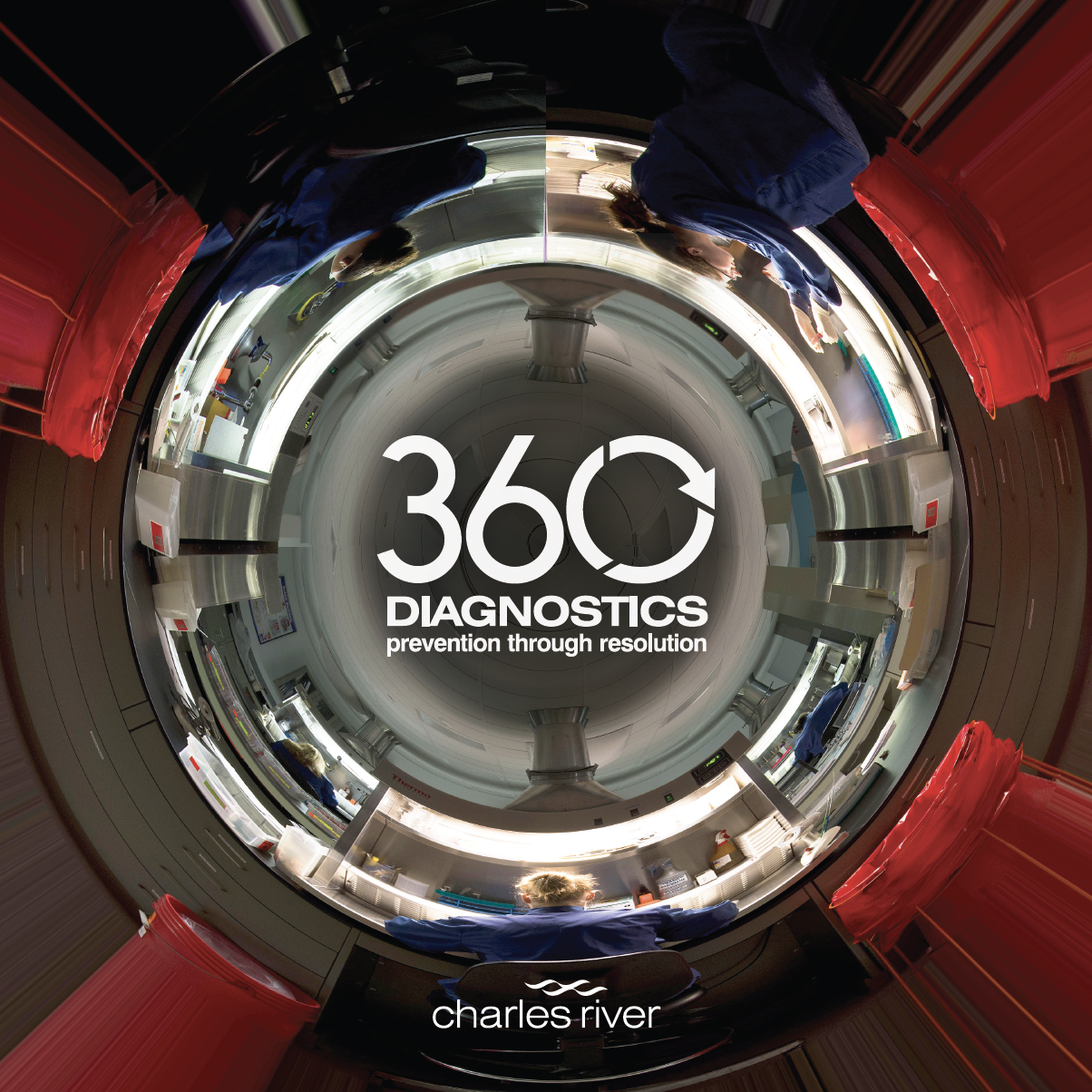
Original photography, scientific illustration, and science-inspired art, grounded in my own background as a visual artist.
Challenge
Most science communications look identical. Blue gradients, stock DNA renders, gloved hands holding a pipette. Technically correct and completely invisible. Generated imagery has made the sameness problem worse rather than better, because now everyone is pulling from the same well at higher volume.
Approach
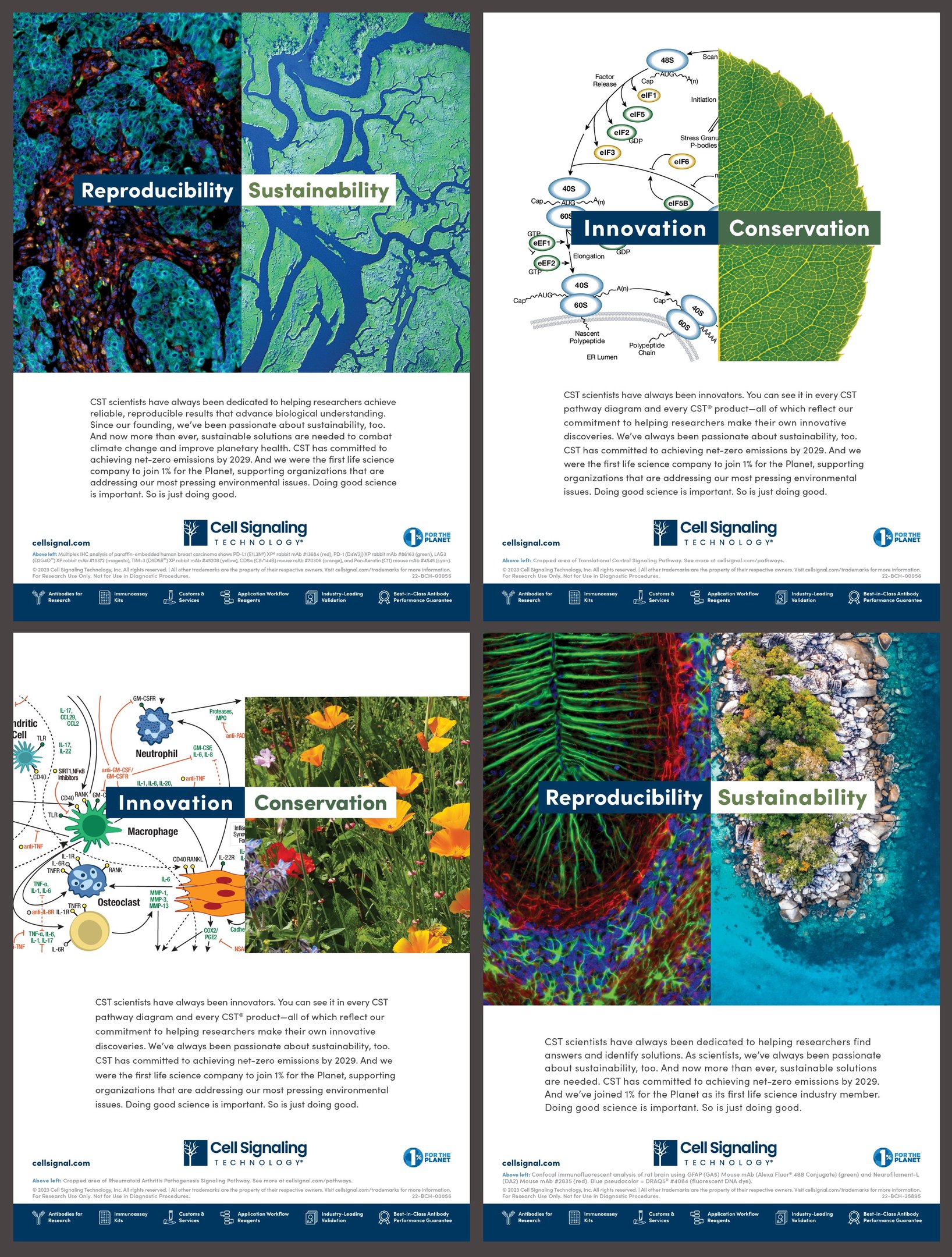
Split the visual problem into three. Photography for the human story, the labs, the people, the moments. Scientific illustration for the technical story, molecules and mechanisms that can't be photographed. Original art for the brand story, the abstracted, expressive imagery a brand needs at the top of the funnel.
Solution
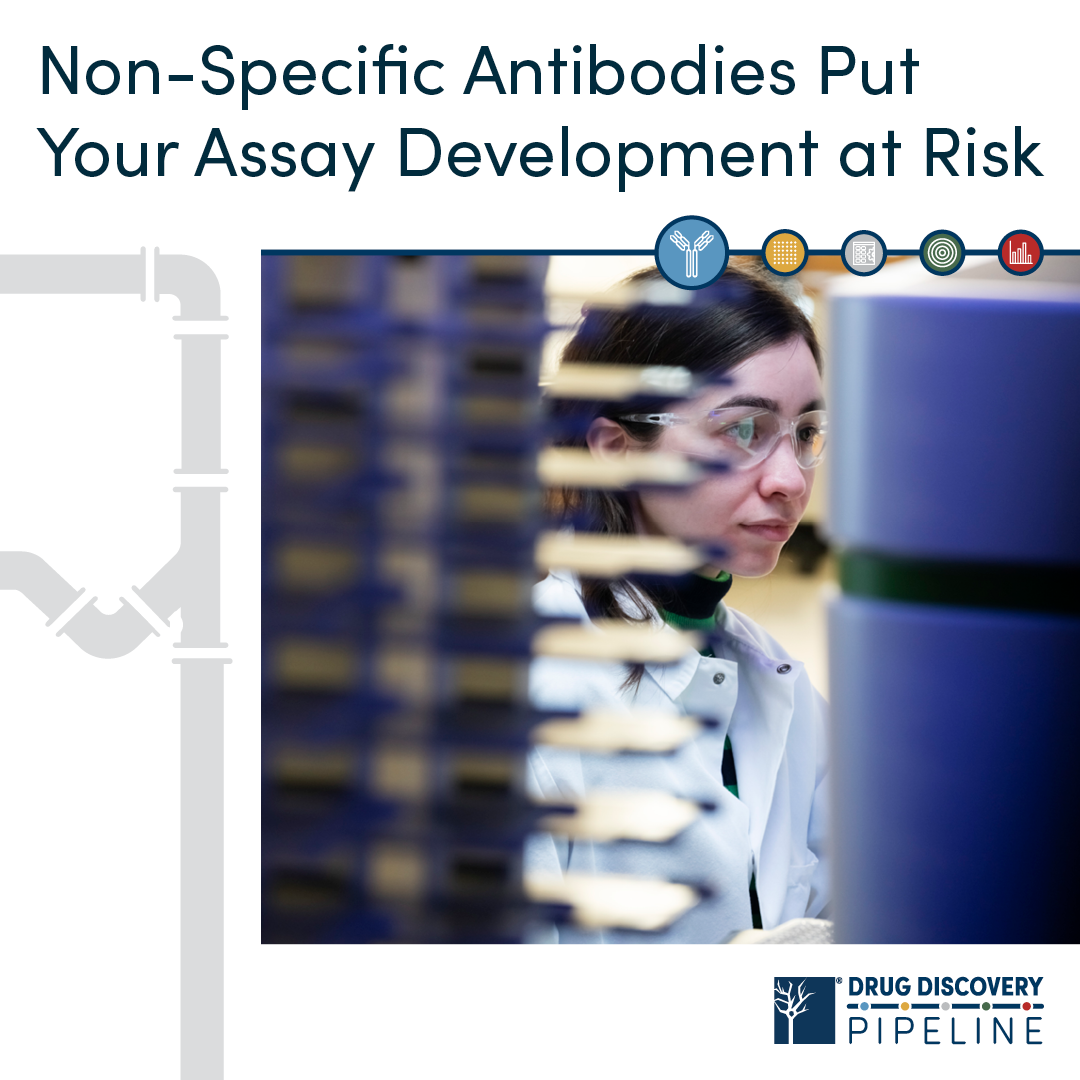
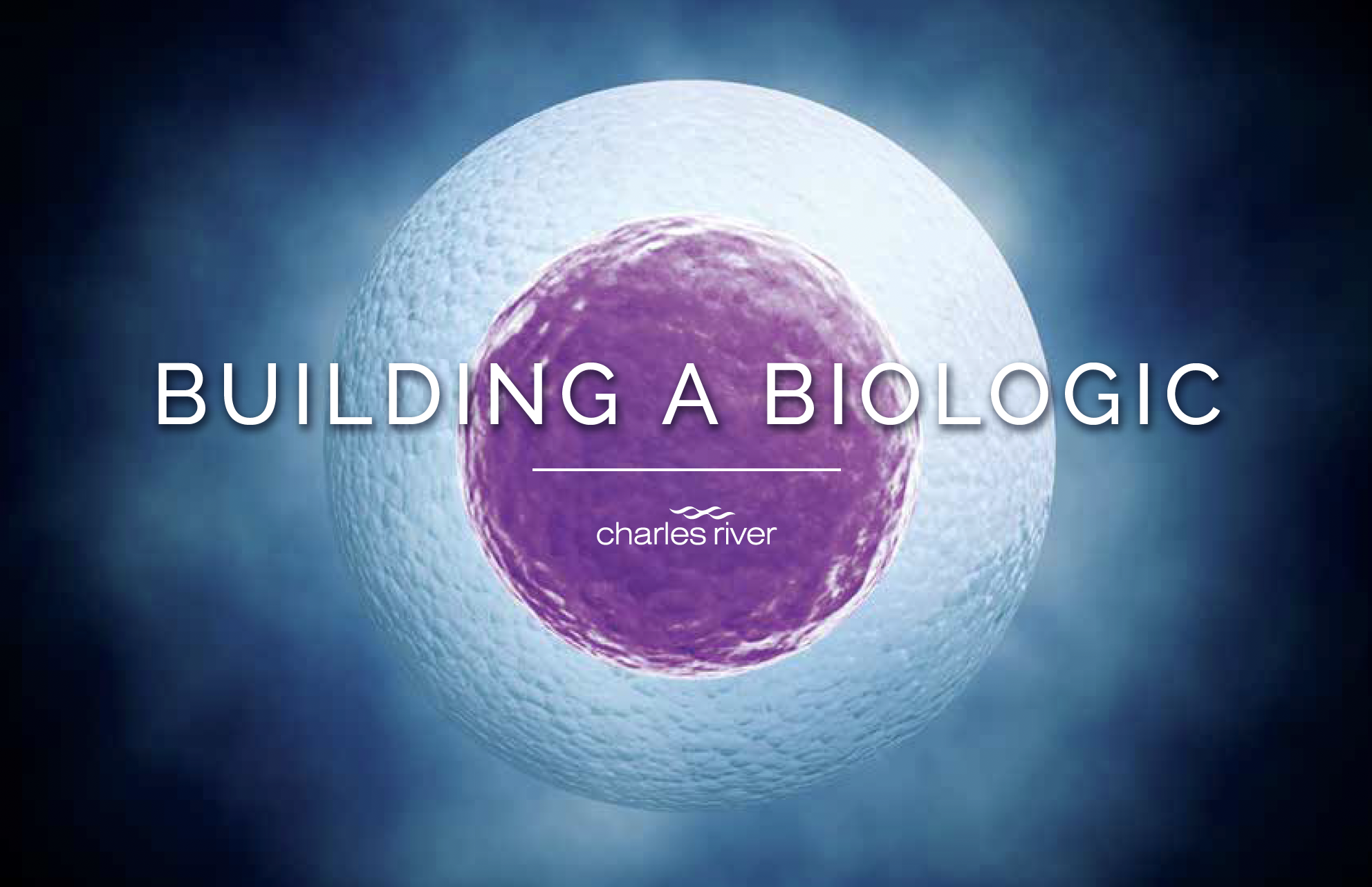
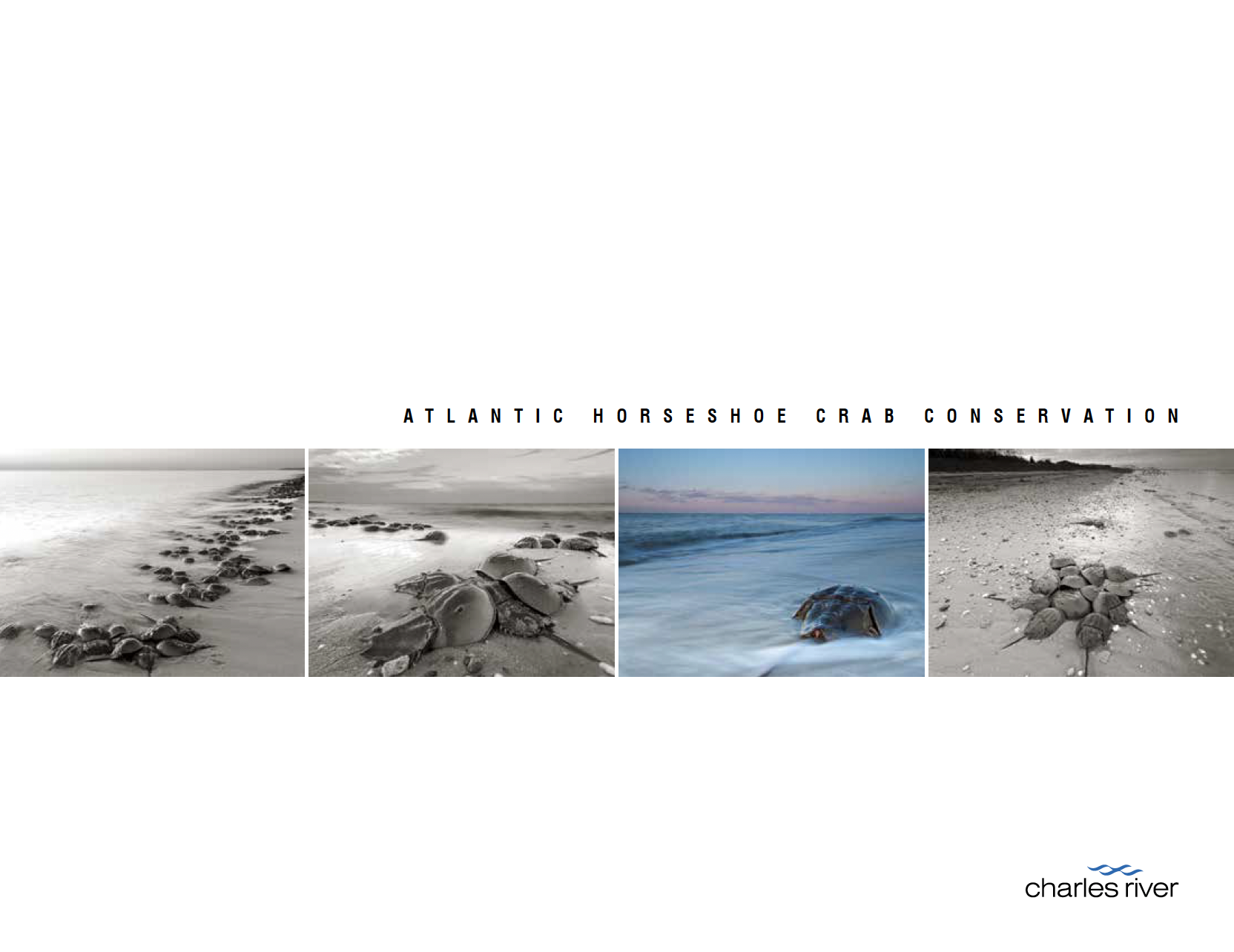
Directed original shoots inside active research facilities, building a shoot playbook for lighting, safety, contamination, and prop sourcing so ambitious ideas survived regulated environments. Developed accurate, ownable illustration treatments with subject matter experts validating the science. Created abstracted art drawn from the science itself, patterns from microscopy, structures from crystallography, used as hero imagery on the highest-visibility work.
Result
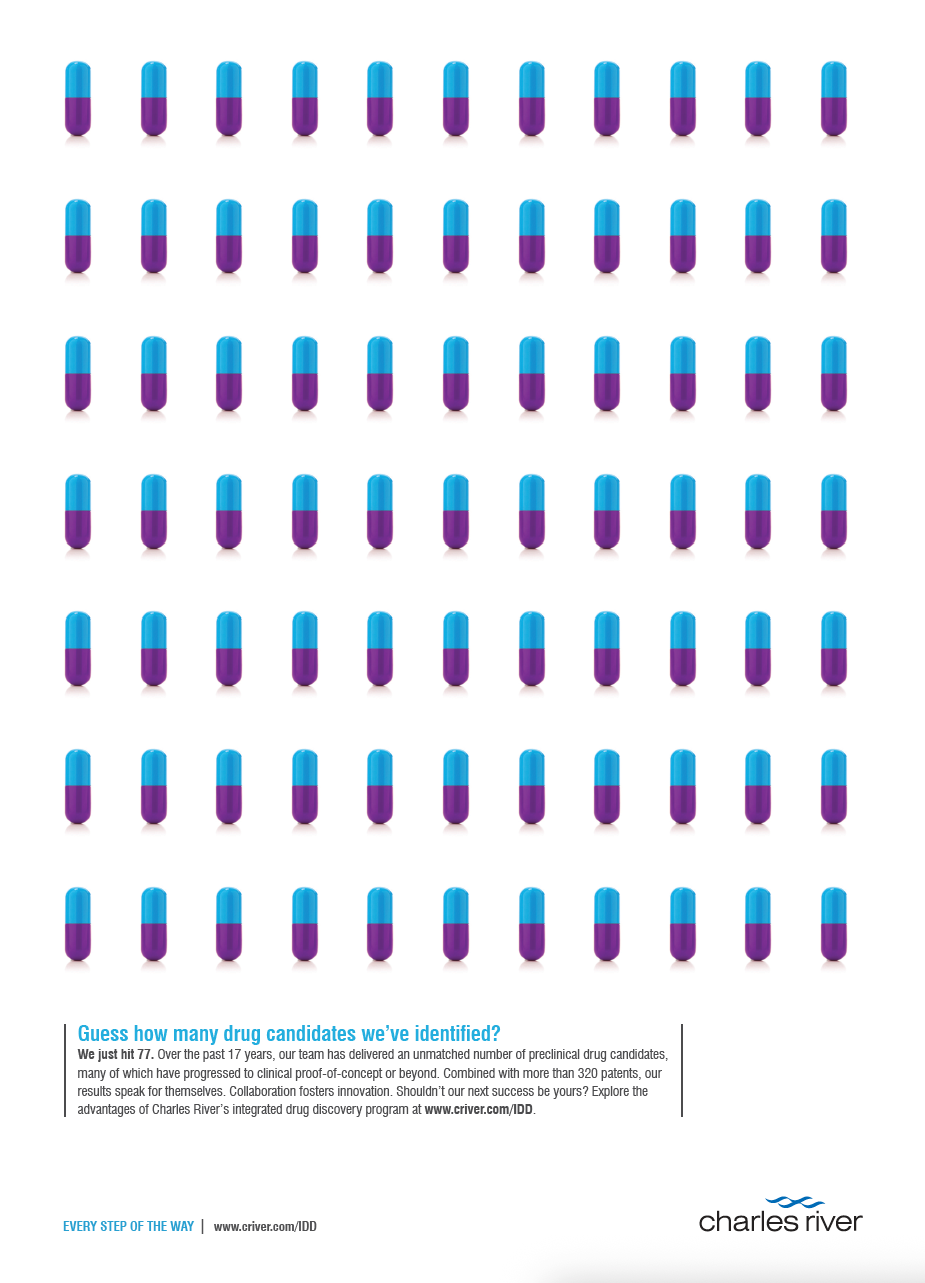
A visual library that outlasted several campaigns and several agency relationships. Years on, it's still the brand's default over stock, over generated alternatives, and over the house style every competitor in the category settled into.
06: AI Infrastructure · Creative Leadership
Building the creative department of 2026, and the brand guide that talks back.
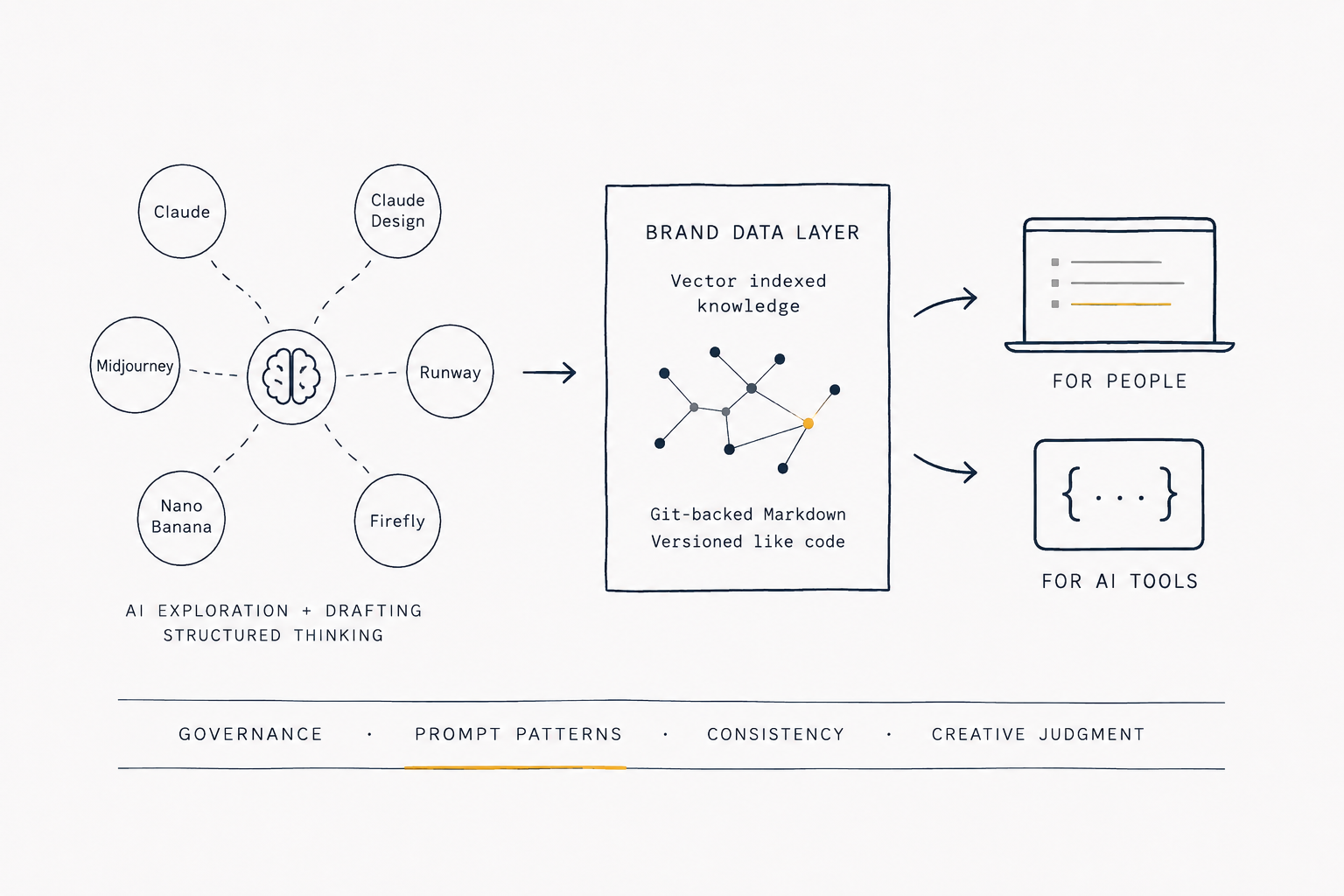
Hands-on fluency across Claude, Claude Design, Nano Banana, Firefly, Runway, and Midjourney, paired with a working prototype that replaces the static brand-guide PDF with a system both people and AI tools can query directly.
Challenge
AI is reshaping what a creative team is supposed to be, and the same generators every brand can now access are flattening the work into sameness. Meanwhile the brand guide meant to keep a team consistent lives in a document nobody reads and no AI tool can find.
Approach
Started with myself. Built daily-practice fluency across the major generative tools before designing how a team would adopt them. Then went after the brand guide with the same logic and rebuilt it as something a person or a machine could query on demand, instead of a document that got opened twice a year.
Solution
A tiered framework that uses AI for exploration, drafting, and structured thinking, and reserves human craft for the moves that have to surprise people. Reusable prompt patterns and governance rules so AI use stays consistent across a team. A working brand data layer, vector-indexed knowledge with industry context, built on Git-backed Markdown so every change is versioned like code, giving a designer or an AI tool the same grounding a well-trained person would have.
Result
A brand data layer that actually runs, built on Git-backed Markdown with vector indexing, where every change to the brand is versioned the way code is. A governance and prompt layer a team can follow without me in the room. And a working answer to the question every creative leader is getting asked right now, which is what a creative department is supposed to look like from here. I'd rather answer that with something I've been running for months than with an opinion about it.
Portfolio
A wider view of the work.
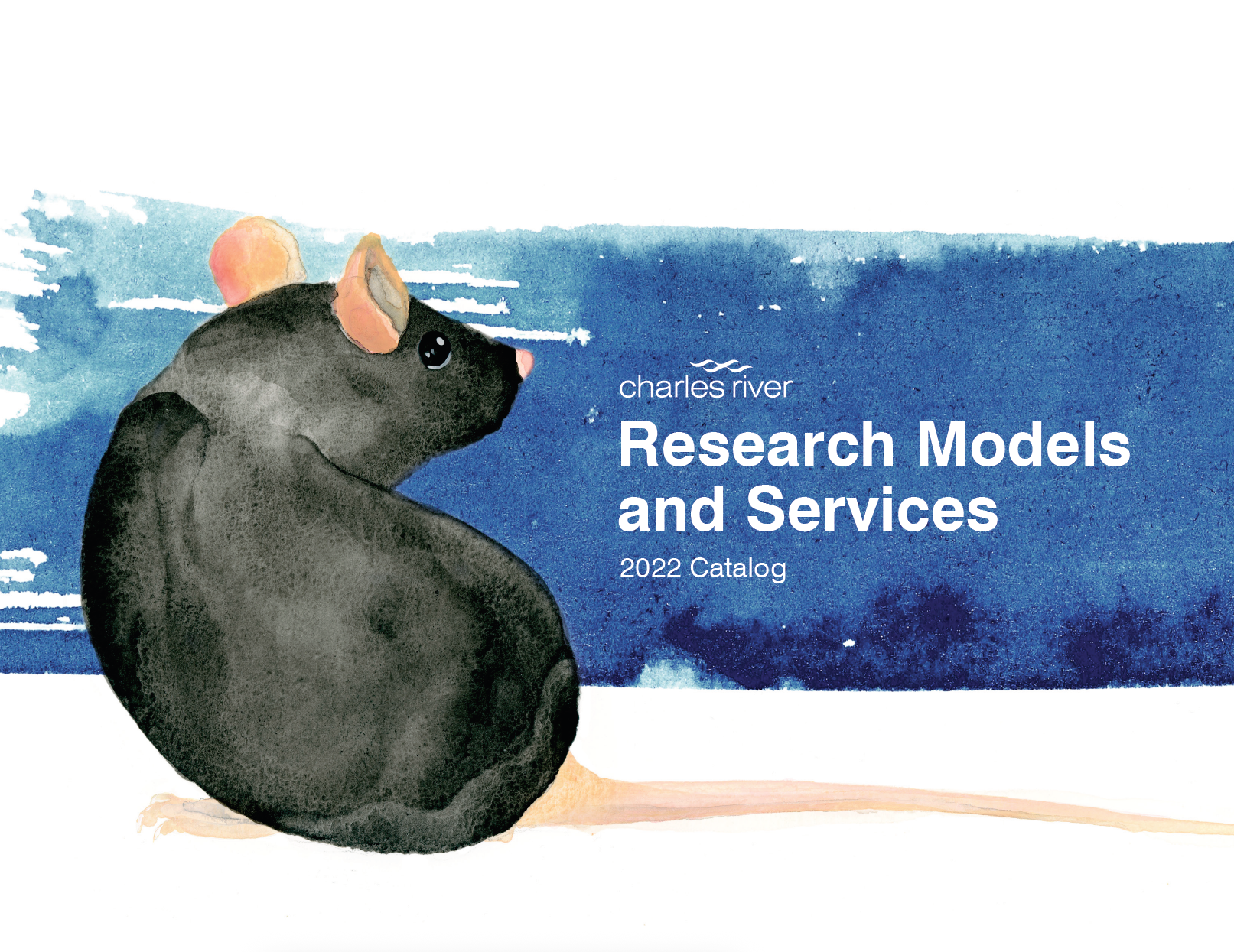
The case studies above tell a few stories in depth. Below is a wider sweep, fifteen years of work organized into the four categories I keep coming back to. Each set is a slideshow you can step through.
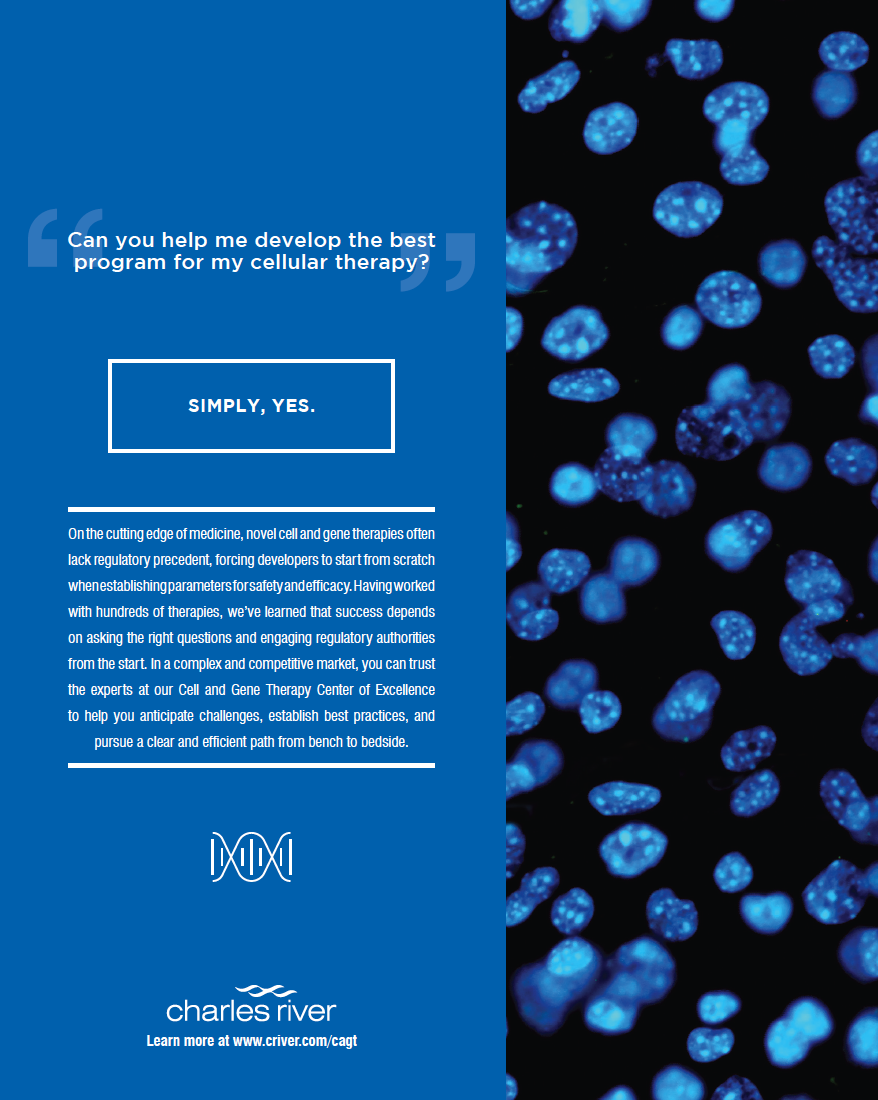
Brand Development & Management
Identity systems, visual languages, and the long-haul stewardship of brands across markets, products, and years. The work that lives behind every other piece of work.
1 / 6
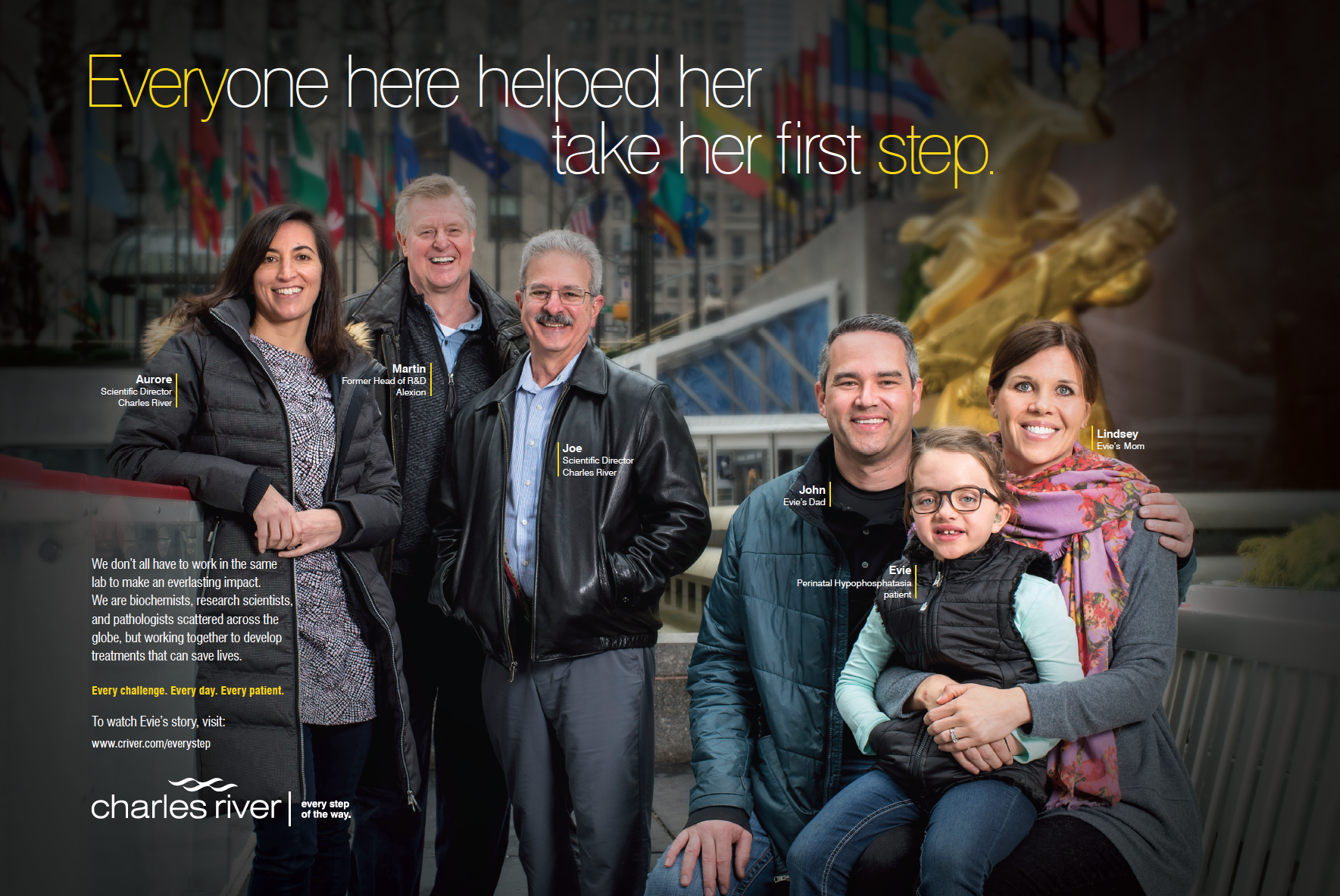
Driving Successful Campaigns
Multichannel campaigns that started as one bold idea and shipped as a coordinated set of tactics, print, digital, social, video, and field, all moving in the same direction.
1 / 6
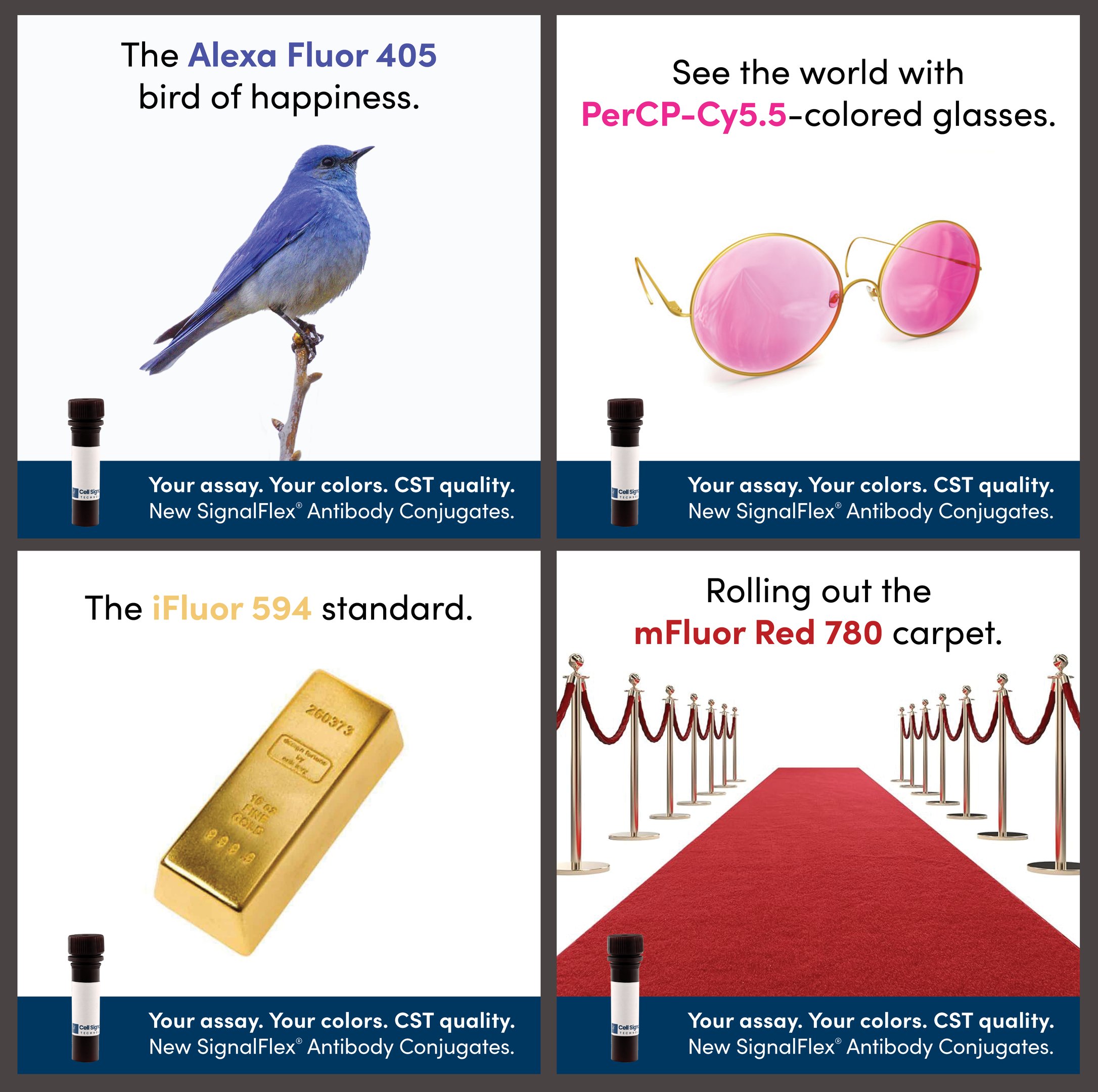
Creative Work That Meets the Goal
Single-purpose pieces designed against specific business outcomes. The kind of work where the brief was sharp, the audience was clear, and the result had to be measurable.
1 / 6
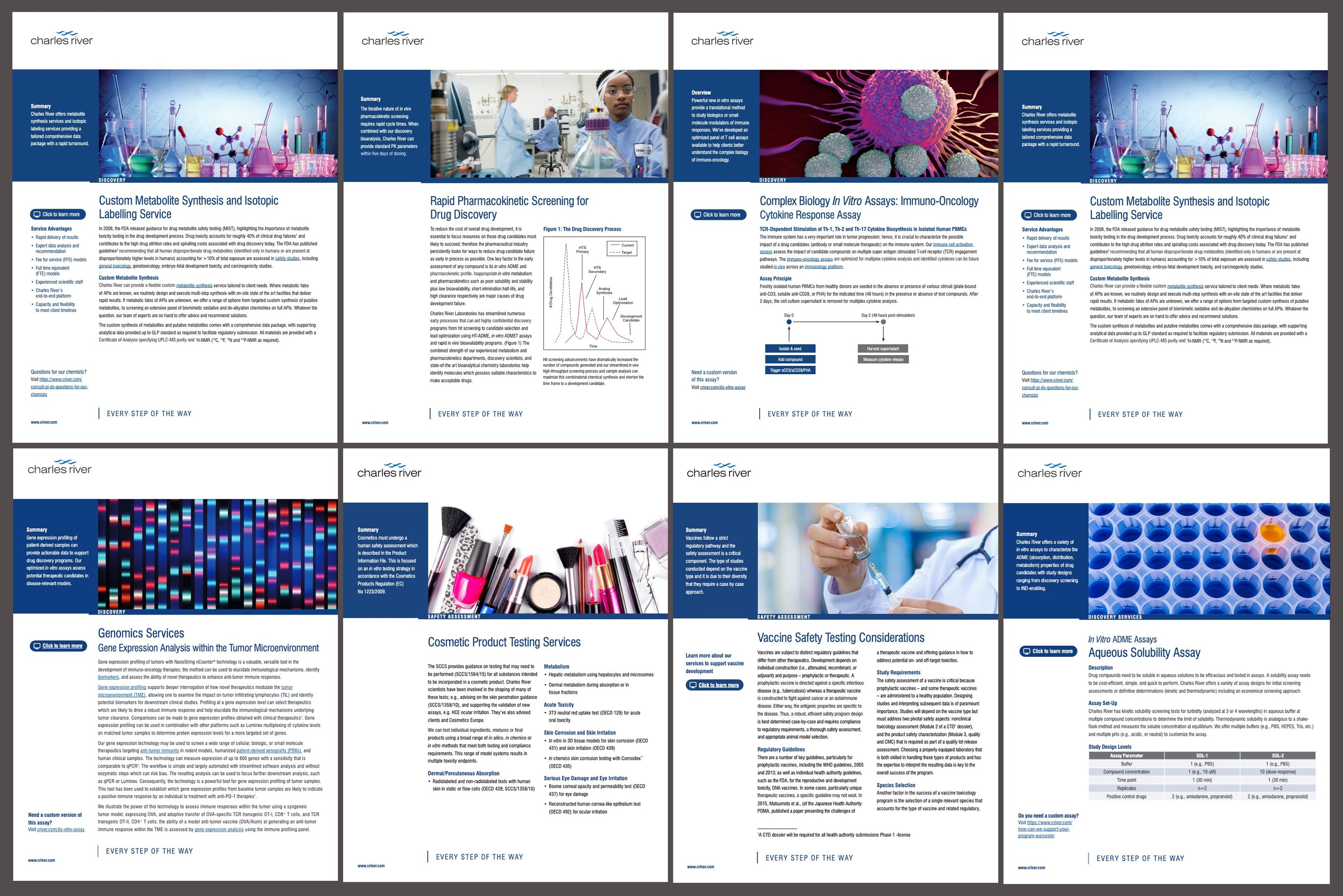
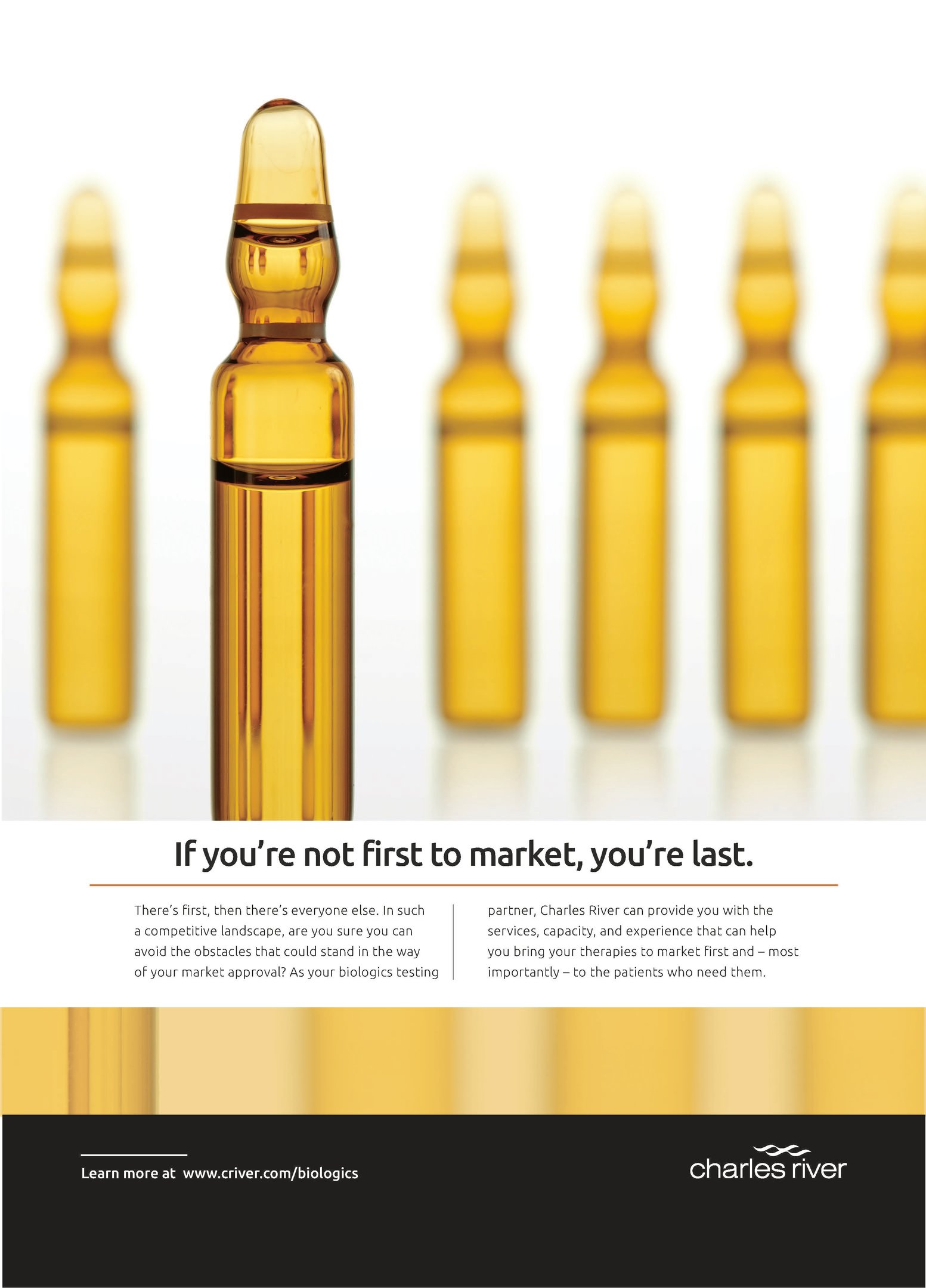
Multipage Layout & Editorial
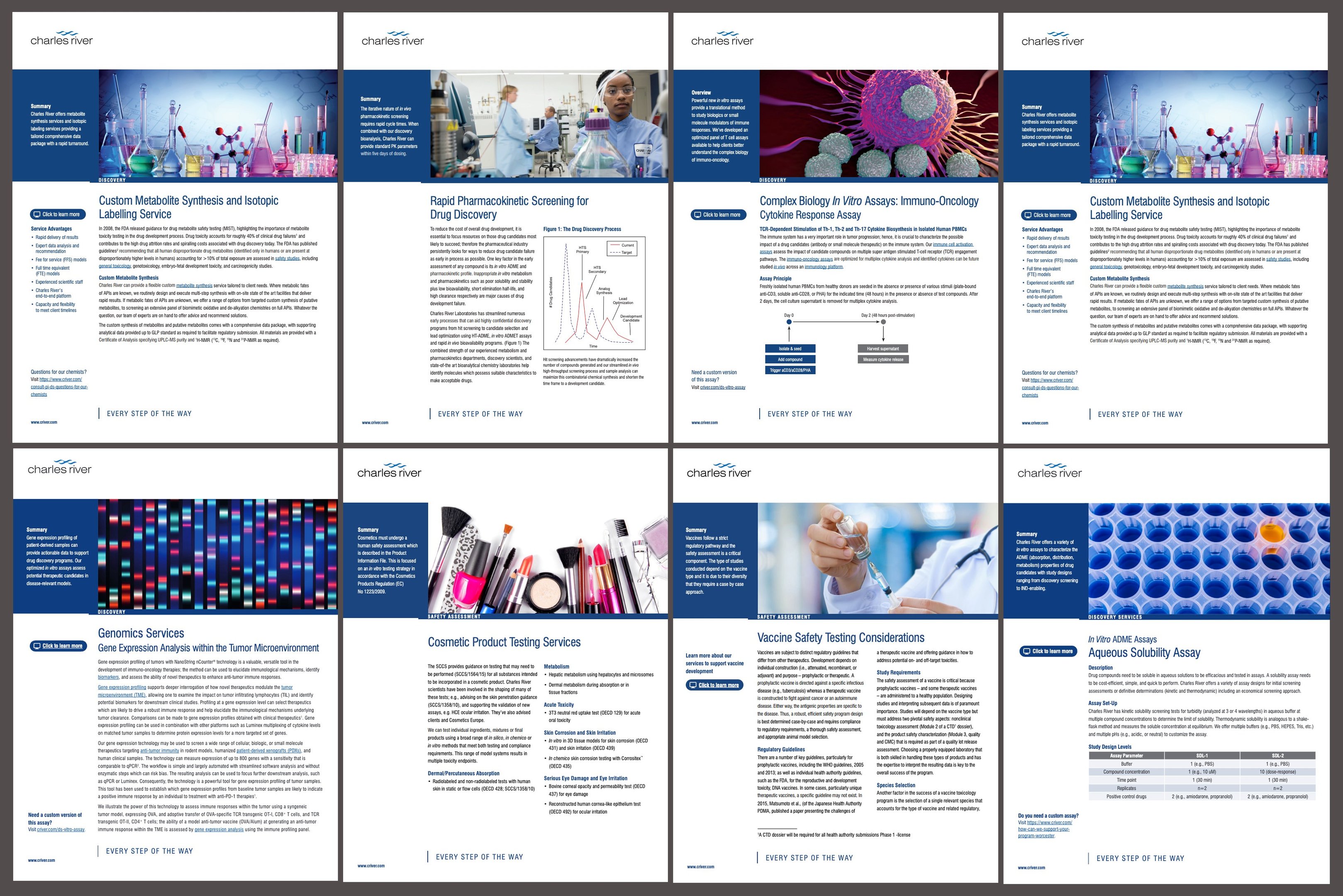
Brochures, reports, white papers, and long-form layouts. Each piece below links to the full PDF, view it in your browser or download it for a closer look.
I answer everything, usually the same day. Whether you're filling a role, sizing up a project, or you just want to argue about whether any of this AI business is actually any good, I'd rather have the conversation than not.